Blog

  • Mobile Concrete Plant Trucks: A Gamechanger for Rural Pakistan

    Mobile Concrete Plant Trucks: A Gamechanger for Rural Pakistan

    Introduction to Mobile Concrete Plant Trucks

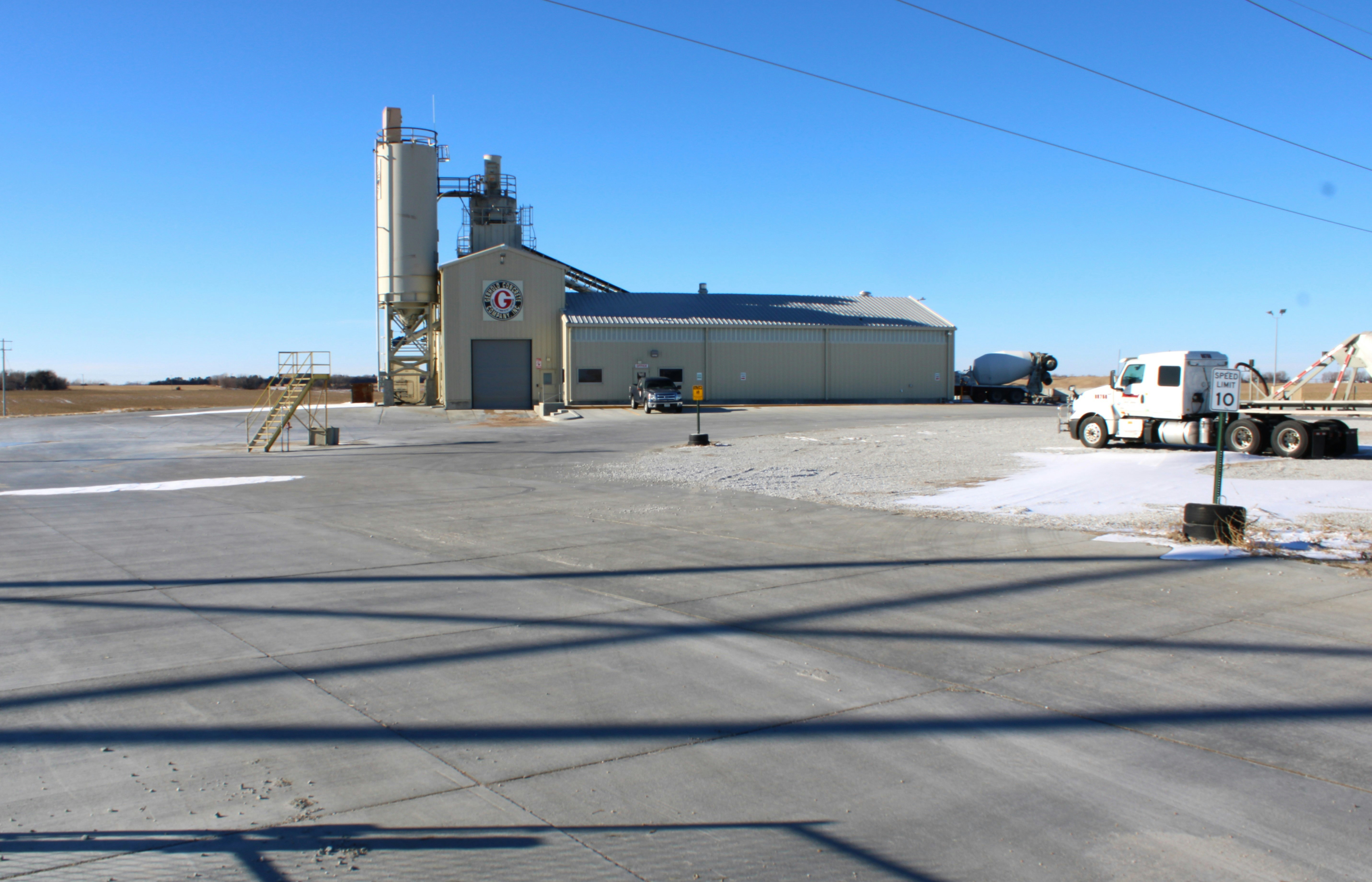
    Mobile concrete plant trucks represent a significant advancement in the construction industry, particularly in regions like rural Pakistan. Essentially, these are trucks equipped with the capability to mix concrete on-site, allowing for the immediate production of fresh concrete at the construction location. This innovation drastically reduces the time and effort typically associated with transporting ready-mixed concrete from fixed plants, which can be especially challenging in rural areas due to inadequate infrastructure.

    The importance of mobile concrete plant trucks cannot be overstated. They facilitate a more efficient construction process by enabling immediate access to concrete, thereby minimizing delays that can arise from long transportation times. Moreover, these trucks enhance the quality of the concrete produced, as mixing occurs on-site, ensuring that the materials are fresh and can be adjusted to meet specific project requirements. This adaptability is particularly beneficial in rural settings where varying climatic conditions may necessitate modifications to the concrete mix to achieve optimal performance.

    Furthermore, mobile concrete plant trucks contribute to a sustainable construction practice. By reducing the need for transportation, they lower carbon emissions associated with heavy vehicles traveling long distances. Additionally, the efficient use of resources leads to decreased waste, as the concrete can be mixed in precise quantities required for a project. Therefore, the integration of these trucks into rural construction projects is not only a technological improvement but also a step towards more environmentally responsible practices.

    In conclusion, mobile concrete plant trucks are redefining construction practices in rural Pakistan by offering convenience, sustainability, and adaptability. Their role in the construction industry is becoming increasingly pivotal as more rural projects seek innovative solutions to enhance efficiency and quality in concrete production.

    Why Mobile Concrete Plant Trucks are Essential in Rural Pakistan

    The construction industry in rural Pakistan faces multiple challenges that hinder operational efficiency and project completion. Limited access to traditional concrete batching plants often leads to delays, increased transportation costs, and the reliance on time-consuming manual mixing methods. Consequently, the advent of mobile concrete plant trucks has emerged as a pivotal solution to these pressing challenges.

    Mobile concrete plant trucks are designed to facilitate on-site concrete production, providing contractors with the ability to mix concrete exactly when and where it is needed. This capability minimizes logistical issues that frequently plague rural construction projects, such as road conditions affecting the delivery of pre-mixed concrete. By transporting the plant directly to the job site, contractors can ensure that the concrete is fresh and optimally mixed, resulting in superior quality of construction material.

    Moreover, the flexibility of mobile concrete plant trucks makes them an attractive option for rural contractors. These machines are equipped to produce various types of concrete mixtures in varying volumes, accommodating projects of different scales. This adaptability is particularly beneficial in rural areas where project scopes can change frequently, and the demand for concrete types can vary from one construction phase to another.

    Additionally, operational costs are significantly reduced when utilizing mobile concrete plant trucks. The elimination of transport fees for ready-mix concrete and the reduction in waste due to precise mixing capabilities lead to substantial savings for contractors and project owners alike. This economic advantage facilitates more projects and enhances the overall growth of the construction sector in rural Pakistan.

    In essence, mobile concrete plant trucks fill a critical gap in the rural construction market by addressing logistical challenges and providing efficient, cost-effective solutions, thereby revolutionizing project execution in these areas.

    Key Specifications of Mobile Concrete Plant Trucks

    Mobile concrete plant trucks represent a significant advancement in construction technology, particularly beneficial for rural areas in Pakistan. These trucks combine concrete production and transportation capabilities, facilitating efficient construction processes. A few critical specifications distinguish various models, influencing their suitability for specific projects.

    One of the primary specifications is the production capacity, which generally ranges from 20 to 60 cubic meters per hour, depending on the model and manufacturer. For instance, Silver Steel Mills offers a compact unit that efficiently handles up to 30 cubic meters per hour, while Golden Steel Mills provides a more robust option capable of managing larger outputs. The choice of production capacity can significantly impact construction timelines and project management.

    Another vital feature is the type of mixer utilized in the trucks. There are typically two mixer types: twin-shaft mixers and drum mixers. Twin-shaft mixers, known for their high efficiency and homogeneity, are often favored for their ability to produce quality concrete in a short time. Conversely, drum mixers provide an economical alternative for projects where mixing precision is not as critical, allowing for a more cost-efficient operation.

    Automation features also play a crucial role in modern mobile concrete plant trucks. Advanced models incorporate computerized control systems that streamline the mixing process and improve consistency through accurate ingredient measurement. Moreover, these systems can integrate real-time monitoring capabilities to ensure optimal performance during batching and mixing operations.

    Mobility is another critical aspect of these trucks. Designed to operate on diverse terrains, mobile concrete plant trucks often feature heavy-duty tires and hydraulic systems that facilitate easy maneuverability, enabling them to access remote locations with limited infrastructure. This capability not only makes them versatile but also expands their usability in various environments.

    Price Ranges of Mobile Concrete Plant Trucks

    The emergence of mobile concrete plant trucks has significantly transformed construction practices in rural Pakistan, providing a modern solution that facilitates better productivity at construction sites. One of the pivotal factors affecting the adoption of these trucks is their pricing. Various brands offer an array of price points, making it essential to evaluate the affordability and value provided by mobile concrete plant trucks.

    Silver Steel Mills is one of the renowned producers in the industry, known for crafting durable and highly efficient mobile concrete plant trucks. Their pricing strategy typically ranges from PKR 8 million to PKR 12 million depending on the model, features, and capacity. This price point positions Silver Steel as a competitive option, particularly for small to medium-sized construction companies seeking quality without overextending their budgets.

    On the other hand, Golden Steel Mills appeals to a different segment of the market with mobile concrete plant trucks priced from PKR 7 million to PKR 11 million. Their innovative approach focuses on providing cost-efficient solutions without compromising on quality and performance. By offering features that enhance productivity, including faster setup times and reduced operational costs, Golden Steel aims to present good value to its customers.

    The variation in prices between these leading brands indicates a competitive market where affordability and quality coexist. It is crucial for customers to consider not only the initial purchase price but also the long-term operational efficiency of mobile concrete plant trucks. Investing in a reliable truck can lead to increased productivity and reduced labor costs, ultimately making a significant impact on project timelines and budgets.

    Understanding these price ranges and the value propositions of different manufacturers can help potential buyers make informed decisions, ensuring that they select the most suitable mobile concrete plant truck for their construction needs in rural Pakistan.

    Advantages of Using Mobile Concrete Plant Trucks

    The introduction of mobile concrete plant trucks has revolutionized the construction and landscaping industries, particularly in rural regions of Pakistan. One of the prime advantages of these trucks is their significant increase in efficiency. Traditional concrete production methods often involve multiple stages that can delay project timelines. However, mobile concrete plants allow for the immediate mixing of concrete at the job site, ensuring that materials are readily available when needed. This on-site production minimizes downtime and accelerates the overall construction process, leading to timely project completions.

    Another noteworthy benefit is the considerable reduction in labor costs. Conventional concrete mixing typically requires a substantial workforce to transport, mix, and pour the materials. With mobile concrete plant trucks, the need for extensive labor is minimized, as the equipment is capable of performing multiple tasks autonomously. This operational efficiency not only lowers labor expenses but also reduces the risk of human error during the mixing and pouring processes, enhancing the quality of the finished product.

    Flexibility is another key advantage offered by mobile concrete plants. These trucks can easily be transported to different locations, allowing for quick adjustments based on project requirements. Whether it is a small-scale residential build or an expansive infrastructure project, mobile concrete plant trucks can adapt to varying needs, ensuring that construction teams have access to the right type of concrete at the right time. Furthermore, this adaptability is essential in rural areas, where logistics can present challenges.

    Lastly, the environmental benefits of using mobile concrete plants cannot be overlooked. By producing concrete on-site, waste is minimized, and carbon emissions associated with transportation are significantly reduced. This eco-friendly approach aligns with sustainable construction practices, promoting a healthier environment in rural Pakistan. In light of these advantages, it is evident that mobile concrete plant trucks are a transformative asset for modern construction projects.

    Real-World Applications of Mobile Concrete Plant Trucks in Pakistan

    In recent years, mobile concrete plant trucks have emerged as essential contributors to construction in rural Pakistan. These trucks offer significant advantages for a wide range of projects, particularly in areas that face logistical challenges due to limited infrastructure. One notable application includes the construction of rural roads, where access to traditional stationary concrete plants is often restricted. Mobile concrete plant trucks enable contractors to produce concrete on-site, thus reducing transportation time and costs. This capability ensures that projects can maintain momentum without delays caused by the transportation of ready-mix concrete.

    Another example can be observed in the development of hydropower projects, where the demand for concrete is substantial and time-sensitive. Mobile concrete plant trucks have been instrumental in these projects, allowing for the quick production and delivery of concrete directly to the job site. This has not only improved efficiency but also enhanced the quality of the concrete used, leading to better construction results. The adaptability of mobile concrete plant trucks is particularly beneficial in remote areas where resources may be scarce, ensuring communities have access to necessary infrastructure.

    In addition to road construction and hydropower, mobile concrete plant trucks are increasingly being utilized in residential projects. These trucks facilitate the construction of homes, schools, and hospitals, providing rural areas with essential facilities. By leveraging the flexibility of mobile concrete plants, local contractors can ensure that they meet specific project requirements while adhering to regional standards.

    Through these varied applications, it is evident that mobile concrete plant trucks are significantly transforming the construction landscape in rural Pakistan. Their ability to adapt to different project needs while promoting efficiency demonstrates their crucial role in enhancing infrastructure development in these regions.

    Impact on Construction and Landscaping in Pakistan

    The introduction of mobile concrete plant trucks in rural Pakistan marks a significant advancement in the construction and landscaping sectors. These innovative machines enable rapid and efficient concrete production directly at job sites, which in turn facilitates the execution of various construction projects. Rural areas, often hindered by logistical challenges and a lack of infrastructure, now have the opportunity to meet their construction needs more effectively. The time and cost savings offered by mobile concrete plants can be transformative, allowing local builders to complete projects without relying on expensive stationary plants or long transport routes.

    One of the foremost impacts is the improvement in infrastructure development. With easier access to fresh concrete, local governments and developers can expedite the construction of roads, bridges, and buildings. Enhanced infrastructure not only aids in connecting remote areas to larger markets but also fosters economic growth by attracting investments. More accessible transport routes lead to improved trade opportunities, subsequently enhancing the quality of life for rural communities.

    Moreover, the deployment of mobile concrete plant trucks contributes significantly to job creation. As local builders adopt this technology, a demand for skilled labor emerges, encouraging vocational training and skill development. The workforce can shift from traditional methods to modern practices, ensuring that local residents are equipped for new opportunities in construction and landscaping. In this regard, mobile concrete plants are not just about concrete production; they embody a shift toward innovation and modernization in Pakistan’s rural economy.

    In addition to economic benefits, the use of mobile concrete plants promotes sustainable practices in construction. With a focus on local production, waste is minimized, and the overall carbon footprint is reduced. Landscaping projects benefit similarly, as raw materials can be sourced nearby, encouraging eco-friendly designs and practices that respect the local environment. Therefore, the adoption of mobile concrete plant trucks is pivotal for advancing construction and landscaping in rural Pakistan, fostering a more resilient and sustainable future.

    Future of Mobile Concrete Plant Trucks in Pakistan

    The construction industry in Pakistan stands on the cusp of a major transformation driven by advancements in mobile concrete plant technology. As urbanization accelerates and the need for resilient infrastructures grows, these innovative trucks are increasingly becoming a vital part of the construction landscape. The future of mobile concrete plant trucks in Pakistan is promising, with several emerging trends and technological innovations poised to enhance their efficiency and sustainability.

    One of the most significant advancements in mobile concrete technology lies in automation and smart integration. The incorporation of IoT (Internet of Things) capabilities into mobile concrete plants can enable real-time monitoring and adjustments to the concrete mixing process, ensuring optimal performance and quality. These developments will not only enhance productivity but also minimize waste, contributing to more sustainable construction practices throughout the country.

    Moreover, as concerns about environmental sustainability grow, the demand for eco-friendly construction solutions is expected to rise. Mobile concrete plant trucks can be instrumental in this regard, particularly with the exploration of alternative materials and additives that reduce carbon footprints. Innovations like recycled aggregates and supplementary cementitious materials are gaining popularity, and mobile plants can be designed to accommodate these materials more effectively.

    There is also a significant emphasis on energy efficiency in mobile concrete plants. Future designs may incorporate hybrid or electric power systems, significantly reducing reliance on fossil fuels. This aligns with the global shift towards greener construction methods and will likely resonate with stakeholders looking to invest in sustainable projects. Such progress will reinforce mobile concrete plant trucks as viable solutions not only for urban sites but also for rural developments across Pakistan.

    Overall, the trajectory for mobile concrete plant trucks in Pakistan is shaped by ongoing advancements in technology and growing demands for sustainability. As these trends continue to evolve, they will undoubtedly contribute to a more efficient, efficient, and environmentally responsible construction industry in the country.

    Conclusion: Embracing Change in Rural Construction

    As we have explored throughout this article, mobile concrete plant trucks represent a significant advancement in the construction sector, particularly in the rural regions of Pakistan. These innovative vehicles are not merely tools; they are essential components that streamline the concrete supply process, ensuring timely deliveries and high-quality mixing on-site. The introduction of such technology not only addresses the logistical challenges often faced in remote areas but also enhances overall project efficiency.

    The adoption of mobile concrete plant trucks can facilitate a paradigm shift in construction practices. By ensuring that necessary materials are available where and when needed, these trucks can reduce downtime, lower transportation costs, and mitigate the risk of project delays. Furthermore, they enable builders to engage in more sustainable practices by allowing for the precise mixing of concrete, thus minimizing waste and improving the quality of the final product.

    Moreover, investing in mobile concrete plant trucks reflects a broader commitment to modernization and safety within the industry. These vehicles equip construction teams with the ability to consistently meet the demands of increasingly complex projects while adhering to health and safety regulations. Stakeholders, including local governments and private enterprises, have an opportunity to champion this change by investing in technology that promises not just improved performance but also economic growth in rural regions.

    In summary, embracing mobile concrete plant trucks can catalyze unprecedented transformation in rural construction in Pakistan. By recognizing the benefits of such advancements and actively integrating them into their operations, industry players can contribute to a more robust and efficient construction landscape, ultimately paving the way for sustainable development and improved infrastructure in these areas.
  • A Comprehensive Guide to Buying Used Concrete Plants in Pakistan: Key Considerations and Recommendations

    A Comprehensive Guide to Buying Used Concrete Plants in Pakistan: Key Considerations and Recommendations

    Introduction to Used Concrete Plants

    In the construction and landscaping industries, concrete plants play a pivotal role in the efficient production of concrete, a fundamental material utilized in various building projects across Pakistan. These facilities are designed to mix different ingredients, including cement, sand, gravel, and water, to create ready-mixed concrete tailored to meet specific project requirements. Given the rapid urbanization and infrastructural development in Pakistan, the demand for concrete is continuously on the rise, further emphasizing the importance of concrete plants in the market.

    Concrete plants can be categorized into several types, including stationary, mobile, and portable variants. Stationary plants are typically set up at a fixed location, providing large volumes of concrete for extensive construction projects. Mobile plants, on the other hand, offer flexibility as they can be relocated to different job sites. Portable plants combine the features of both, allowing for easy transport while maintaining the capability to produce substantial amounts of concrete. Each type has its unique advantages, making the selection process crucial for contractors based on their specific needs and project requirements.

    As the construction industry in Pakistan continues to evolve, the relevance of concrete plants grows more pronounced. The acquisition of used concrete plants presents an attractive solution for many contractors and businesses seeking to enhance their operations without incurring significant capital expenses. Purchasing used equipment often allows for cost savings while also aligning with sustainability goals by extending the life cycle of existing machinery. Such decisions not only contribute to financial efficiency but also promote responsible practices in an industry that increasingly looks to minimize its environmental impact.

    Through this guide, we will delve deeper into the critical factors to consider when purchasing used concrete plants, offering insights and recommendations tailored to the unique landscape of the Pakistani construction industry.

    Understanding the Different Types of Concrete Plants

    When considering the purchase of a used concrete plant in Pakistan, it is crucial to understand the different types available in the market. The primary categories of concrete plants include stationary, mobile, and compact models, each catering to distinct operational needs and environments.

    Stationary concrete plants are typically installed in fixed locations and offer high production capacity. They are designed for long-term use in large projects, such as commercial construction or infrastructure development. Stationary plants come with substantial silos for cement storage and often feature advanced automation systems, allowing for efficient batching and mixing of concrete. This type of plant is ideal for contractors who require a consistent and reliable supply of concrete for extensive projects.

    Mobile concrete plants, on the other hand, provide flexibility and convenience. These plants can be easily transported to different job sites, making them suitable for smaller projects or locations with limited space. Despite their compact design, mobile plants can produce quality concrete with a respectable output. They typically incorporate features such as quick setup and automated processes, allowing users to set up and dismantle the plant within a short amount of time.

    Lastly, compact concrete plants are designed to combine both mobility and efficiency. These plants occupy a smaller footprint while still delivering a reliable production capacity. Compact models are ideal for urban settings where space is a constraint, and they can be utilized in various applications, ranging from small construction sites to precast factories. Their unique design allows for easy transportation and setup while maintaining robust functionality.

    Each type of concrete plant serves specific needs, so understanding their specifications and unique features is paramount when making a decision. Prospective buyers must evaluate their project requirements, available space, and production needs before committing to a particular type of concrete plant.

    Key Specifications to Consider

    When embarking on the journey of purchasing a used concrete plant in Pakistan, it is essential to evaluate several key specifications to ensure a sound investment. One of the primary factors to consider is the production capacity of the concrete plant. This specification refers to the amount of concrete the plant can produce within a given timeframe, typically measured in cubic meters per hour. Buyers should assess their project demands and choose a plant whose capacity aligns with their needs, as a mismatched capacity could lead to insufficient supply or excessive operational costs.

    Another crucial specification is the mixing technology employed by the concrete plant. Different mixing methods, such as batch mixing, continuous mixing, or twin-shaft mixing, can significantly impact the quality and consistency of the final product. Buyers should investigate the advantages and limitations of each mixing technology to ensure optimal performance in meeting their concrete production standards.

    Energy efficiency is an increasingly important consideration in the current climate of sustainability. A used concrete plant that incorporates energy-efficient designs and technologies can lead to reduced operational costs over time. Buyers must evaluate the energy consumption rates of potential plants and seek those that utilize innovative solutions to minimize energy usage without compromising production quality.

    Lastly, buyers should consider the operational requirements of the concrete plant. This includes factors such as the necessary space for installation, the skill level required for operation, and maintenance requirements. Understanding these elements will help potential buyers to gauge the feasibility of integrating the used concrete plant into their existing operations.

    By meticulously assessing these specifications, buyers can make informed decisions that align with their project requirements and operational capabilities, ensuring a successful purchase of a used concrete plant in Pakistan.

    Top Brands in Used Concrete Plants: Silver Steel Mills and Golden Steel Mills

    When considering the acquisition of used concrete plants in Pakistan, the reputation and performance of the brands are paramount. Among the top players in the market are Silver Steel Mills and Golden Steel Mills, both of which have established themselves as leaders in the industry.

    Silver Steel Mills is renowned for its innovative designs and robust construction, delivering products that meet high-quality standards required for concrete manufacturing. Their plants are designed with efficiency in mind, offering features such as advanced mixing technology and energy-efficient machinery. Such attributes not only enhance productivity but also contribute to a reduction in operational costs. Many users have attested to the longevity and reliability of Silver Steel Mills plants, making them a popular choice for businesses looking to invest in used concrete plants.

    On the other hand, Golden Steel Mills boasts a remarkable reputation for its exceptional customer service and comprehensive after-sales support. Their concrete plants are often favored for their user-friendly operation and adaptability to various production demands. Golden Steel Mills emphasizes the integration of modern technology, ensuring that their plants not only meet current industry standards but also align with the latest innovations in concrete production processes. Buyers frequently note the impressive performance metrics of their machinery, which often surpass competitors in both output quality and speed.

    The choice between Silver Steel Mills and Golden Steel Mills ultimately depends on specific operational needs and budget considerations. However, both brands consistently demonstrate a commitment to quality and performance that make them reliable options for those entering the market for used concrete plants in Pakistan. Understanding these brands’ offerings can aid prospective buyers in making informed decisions.

    Price Ranges for Used Concrete Plants

    When considering the purchase of used concrete plants in Pakistan, understanding the price ranges is crucial for making an informed financial decision. Prices can vary significantly based on several factors, including brand, type, condition, and capacity. As a general guideline, used concrete plants may fall within the price range of approximately PKR 5,000,000 to PKR 30,000,000. Entry-level models or smaller equipment can often be found at the lower end of this spectrum, while larger, more established brands typically command higher prices.

    The types of plants available also influence the pricing structure. For instance, batch plants are generally more affordable than continuous plants, as they are simpler in design and operation. Conversely, well-known brands such as Liebherr, ConMat, or Schwing may come at a premium due to their reputation for durability and performance. When assessing the condition of the equipment, it is essential to note that well-maintained plants will typically have a higher resale value. Key indicators of a used plant’s condition include its operational history, maintenance records, and any refurbishments it may have undergone.

    Financing options are another critical aspect to consider. Many sellers may offer financing plans that can ease the financial burden of purchase, allowing buyers to manage payments over time rather than paying a lump sum upfront. It’s advisable to weigh these options against potential interest rates and terms. Additionally, buyers should explore cost-saving tips, such as purchasing plants during the off-peak season, negotiating with sellers, and conducting thorough inspections to avoid future repair costs. Overall, having a clear understanding of the price ranges for used concrete plants in Pakistan can greatly enhance your purchasing strategy and budget planning.

    Advantages of Buying Used Concrete Plants

    Purchasing used concrete plants presents a myriad of advantages for businesses engaged in construction and concrete production. One of the most significant benefits is the reduced cost associated with acquiring these plants. Compared to new equipment, used concrete plants can be significantly cheaper, allowing companies to allocate their budgets more efficiently. This lower initial investment can lead to substantial savings, especially for small to medium-sized enterprises looking to expand their operations without a massive financial burden.

    Another advantage is the depreciation rate. New concrete plants typically experience a considerable depreciation in their value soon after purchase. In contrast, used concrete plants have already undergone this initial depreciation, which can enable buyers to enjoy better resale value should they decide to sell or upgrade in the future. Consequently, used machinery is often viewed as a smarter investment, providing economic benefits over time.

    Additionally, used concrete plants can offer immediate availability, which is a critical factor for many projects requiring quick mobilization and setup. Unlike new plants, which may have long lead times due to manufacturing and shipping, used plants are often ready for immediate deployment, significantly reducing delays in project timelines. This aspect is particularly valuable for contractors needing to respond swiftly to market demands or urgent project requirements.

    Moreover, if selected meticulously, used concrete plants can deliver high performance and reliability comparable to their newer counterparts. Many manufacturers produce durable and robust equipment that can last for years, even after extensive use. Thus, purchasing a well-maintained used plant can ensure that buyers receive equipment capable of meeting their production needs efficiently. Therefore, considering these advantages, buying used concrete plants emerges as a compelling option for those aiming to balance performance, cost-effectiveness, and immediate availability.

    Real-World Uses of Concrete Plants in Construction and Landscaping

    Used concrete plants have become vital assets in various construction and landscaping projects across Pakistan, owing to their ability to produce high-quality concrete efficiently. Among their primary applications is road construction, where the demand for durable pavement material is critical. For instance, projects like the development of the Lahore Ring Road showcased the necessity for reliable concrete. The concrete plants involved in such projects ensured an uninterrupted supply of concrete due to their high output capabilities, significantly impacting project timelines and reducing overall costs.

    In the realm of building construction, these concrete plants facilitate the production of concrete required for structural components, enabling contractors to maintain quality and adhere to safety standards. Notably, the construction of high-rise buildings in urban centers like Karachi and Islamabad often involves the utilization of used concrete plants. These machines allow for timely batching and mixing, ensuring that large volumes of ready-mix concrete are available on demand, which is crucial for meeting the fast-paced nature of urban construction.

    Additionally, landscaping projects benefit significantly from used concrete plants. The versatility of concrete as a material allows for creative solutions in landscaping, such as decorative concrete pathways, retaining walls, and garden structures. The recent initiatives in cities aiming for sustainable development have further increased the use of recycled concrete for landscaping purposes. For example, the establishment of parks and recreational areas often incorporates elements created from concrete produced in used plants, offering both aesthetic appeal and functionality.

    Overall, the adoption of used concrete plants in these various sectors highlights their indispensable role in the construction and landscaping industries in Pakistan, showcasing their effectiveness and adaptability in several real-world applications. As the demand for efficient and sustainable building practices continues to grow, the significance of these plants will undoubtedly enhance, making them a crucial investment for contractors and developers alike.

    What to Check Before Buying a Used Concrete Plant

    Purchasing a used concrete plant requires a thorough evaluation to ensure that the investment meets operational needs and standards. Potential buyers should follow a detailed checklist that encompasses several key areas to make an informed decision. First and foremost, conducting an inspection for wear and tear is imperative. This includes examining the structure and components for any signs of corrosion, cracks, or deformities that could indicate a compromised operational lifespan.

    Another critical aspect is to review the operational history of the plant. Understanding how often the plant was used, the conditions in which it operated, and any previous issues can provide valuable insight into its reliability. Buyers should request detailed records that demonstrate how well the concrete plant has been maintained over the years. A well-maintained unit often translates to better performance and fewer repairs in the future.

    Verification of maintenance records plays a crucial role in assessing the overall health of the machine. Regular servicing, timely repairs, and compliance with recommended maintenance routines are all factors that contribute to the longevity of concrete plants. It would be prudent to ask for records indicating any major repairs or replacements, as well as routine check-ups that ensure the equipment runs optimally.

    Additionally, verifying specifications is essential to ensure that the used concrete plant meets the operational capacity and technology required for specific projects. This includes checking the model’s production rate, mixing capabilities, and compatibility with current production requirements. Ensuring that the specifications align with project needs can prevent future operational challenges or delays.

    By meticulously addressing these considerations, potential buyers can avoid common pitfalls associated with purchasing used concrete plants, facilitating a wise investment decision that will serve them well in the long run.

    Conclusion: Making an Informed Purchase

    Purchasing a used concrete plant in Pakistan involves various factors that require careful consideration to ensure a rewarding investment. Throughout this guide, we have explored critical aspects, including assessing the condition of the machine, understanding the operational history, and verifying the reputation of the seller. These factors are essential to making an informed decision that aligns with the buyer’s project requirements and budget constraints.

    It is also vital to perform due diligence by obtaining certifications, checking warranties, and consulting with experts or experienced operators. The reliability of the equipment can significantly impact productivity and operational costs. Therefore, investing time in researching different models, manufacturers, and their reputations in the market can provide valuable insights into what best fits your needs.

    Furthermore, we encourage potential buyers to balance the benefits of cost savings associated with purchasing used machinery against the possible drawbacks, such as potential repair costs and technology obsolescence. Evaluating these factors will aid in understanding whether the purchase will yield long-term gains or present unforeseen challenges.

    In addition, building a robust network with industry peers can lead to recommendations on trustworthy sellers and reliable models. Buyers should also consider seeking professional advice, especially if they’re first-time purchasers. Having an expert’s perspective can uncover aspects that may not be immediately apparent during a routine inspection.

    In conclusion, the process of purchasing a used concrete plant in Pakistan should be approached with a strategic mindset. By conducting thorough research, weighing your options judiciously, and keeping an open line of communication with reliable sources, you can enhance your chances of making a successful purchase. By implementing these strategies, you can ensure a fulfilling experience that serves your construction needs effectively.

  • Profit Calculation for Ready Mix Concrete in Pakistan: Maximizing Your Returns

    Profit Calculation for Ready Mix Concrete in Pakistan: Maximizing Your Returns

    Introduction to Ready Mix Concrete in Pakistan

    Ready mix concrete (RMC) is a construction material widely utilized in the building industry, comprising a mixture of cement, aggregates, and water, which is carefully prepared in a batching plant before being delivered to the construction site. In Pakistan, the significance of ready mix concrete has grown substantially over the years due to its numerous advantages, including enhanced quality control, time efficiency, and reduced labor costs. RMC is particularly advantageous in large-scale construction projects such as commercial buildings, bridges, and highways, where consistency and high performance are paramount.

    The traditional method of mixing concrete on-site, which often led to inconsistent quality and increased delays, has been largely supplanted by ready mix concrete. The shift to RMC has transformed the construction landscape in Pakistan, enabling contractors and builders to attain higher standards of construction while also saving time and resources. The controlled production environment of batching plants ensures that the concrete meets specific standards required for different types of construction projects, making it a preferred choice among engineers and architects.

    Moreover, the use of ready mix concrete supports sustainable construction practices. With the potential for bulk production, excess material waste is minimized, which not only reduces project costs but also lessens the environmental impact associated with construction activities. As the demand for quality construction materials rises, alongside the rapid urbanization and infrastructure development in Pakistan, it becomes essential for stakeholders in the sector to focus on profit calculation. Accurately determining the profitability of RMC projects can significantly impact overall business performance. As we delve deeper into the topic, understanding the key factors that influence profit calculation will be central to maximizing returns in this evolving industry.

    Understanding Profit Calculation in Ready Mix Concrete

    Profit calculation in the ready mix concrete industry is a multifaceted process that requires a clear understanding of various factors contributing to the overall profitability of a business. The first critical aspect to consider is the cost of production, which encompasses materials, labor, equipment, and overhead expenses. Within the context of ready mix concrete, materials such as cement, sand, aggregate, and additives are key components that directly affect production costs. Fluctuations in the prices of raw materials can significantly impact profitability, necessitating constant monitoring and effective supply chain management.

    In addition to production costs, pricing strategies play a vital role in determining profit margins. Businesses must carefully set their prices, taking into account not only the cost of production but also the competitive landscape and market demand. A thorough analysis of similar products offered by competitors enables companies to find an optimal price point that attracts customers while ensuring sufficient margins. In essence, striking this balance is essential for maximizing profit potential in the ready mix concrete market.

    Projected sales volumes further influence profit calculations. Accurate forecasting of market demand allows businesses to adjust their operations accordingly, ensuring that they can meet customer needs while minimizing waste. Understanding seasonal trends and project patterns can help companies plan their production schedules more effectively, thus optimizing resources and maintaining efficiency.

    Overall, realizing profits in the ready mix concrete sector requires a comprehensive approach that integrates production costs, strategic pricing, and sales projections. Each element plays a critical role in shaping the financial outcomes for businesses within this competitive market. By mastering these components, entrepreneurs can position themselves for success and ensure they make informed decisions that enhance profitability.

    Notable Brands in Ready Mix Concrete Machinery

    The ready mix concrete industry in Pakistan has seen significant growth in recent years, facilitated by advancements in technology and an increase in construction activities. A key aspect of this growth is driven by the machinery used in the manufacturing and transport of ready mix concrete. Among the various brands in this sector, Silver Steel Mills and Golden Steel Mills stand out due to their reputation, reliability, and market presence.

    Silver Steel Mills has established itself as a leader in the ready mix concrete machinery landscape. With a commitment to producing high-quality machinery, Silver Steel Mills specializes in manufacturing state-of-the-art concrete mixers and batching plants, which are crucial for the efficient production of ready mix concrete. Their products are noted for durability and innovative technology, which help construction businesses maximize their operational efficiency. Furthermore, Silver Steel Mills has a strong distribution network that ensures availability and provides after-sales support, enhancing their reliability in the market.

    Similarly, Golden Steel Mills has carved a niche within the industry, renowned for its extensive range of construction machinery, including concrete batching plants and mixers. The brand’s emphasis on quality control and continuous improvement has earned it the trust of many contractors and builders throughout Pakistan. Golden Steel Mills is praised for adapting to the changing needs of the industry, offering customized solutions that cater to specific project requirements. This adaptability, along with a comprehensive warranty and maintenance service, underlines their commitment to customer satisfaction.

    Both Silver Steel Mills and Golden Steel Mills play crucial roles in shaping the ready mix concrete market in Pakistan. Their dedication to quality, technological innovation, and customer service ensures that they remain prominent players in this competitive sector, ultimately benefiting the construction industry by providing reliable machinery solutions.

    Specifications and Price Ranges of Machinery

    In the ready mix concrete (RMC) industry, the machinery used plays a crucial role in ensuring efficiency, quality, and timely delivery of concrete. Various types of equipment are essential for the production, transportation, and mixing processes. This section outlines the specifications and price ranges of key machinery in the RMC sector.

    Firstly, concrete mixers are fundamental to the production process. There are several types of mixers, including drum mixers and twin shaft mixers. Drum mixers, generally used for smaller projects, can cost between $10,000 to $50,000. On the other hand, twin shaft mixers, which offer higher output and better mixing quality, typically range from $30,000 to $100,000, depending on capacity and brand.

    Batch plants are another critical component of ready mix concrete operations. They vary widely depending on size, capacity, and technology. A standard stationary batch plant may range from $50,000 to over $300,000. For large-scale operations, more advanced automated batch plants, capable of producing higher volumes, may cost upwards of $1,000,000. The investment in a high-quality batch plant is vital for maintaining consistency and performance in concrete production.

    Transportation vehicles, such as concrete transit mixers and agitating trucks, are also integral to delivering the final product. A standard concrete transit mixer can cost between $50,000 to $150,000, while larger or more specialized vehicles can exceed $300,000. Investment in durable and efficient transportation equipment contributes to minimizing delays and maintaining the quality of concrete during transit.

    Overall, the investment in machinery for ready mix concrete operations can significantly impact profitability and operational efficiency. Understanding the specifications and price ranges of equipment is essential for making informed decisions in setting up or expanding RMC businesses in Pakistan.

    Advantages of Using Ready Mix Concrete Machinery

    Utilizing ready mix concrete machinery offers numerous advantages that significantly enhance construction processes in Pakistan. One of the primary benefits is the efficiency these machines provide. Ready mix concrete plants are designed to automate the mixing process, which reduces the time spent on-site for mixing concrete manually. This efficiency is vital in project management where time frames are often critical, allowing construction companies to adhere to tight schedules without sacrificing quality.

    Additionally, the use of ready mix concrete machinery plays a pivotal role in reducing labor costs. Traditional concrete mixing methods require a substantial workforce to mix, transport, and pour the concrete. In contrast, ready mix systems streamline these tasks, necessitating fewer workers on-site. This reduction in labor not only lowers expenses but also minimizes the risk of human error, ensuring a more reliable final product. For example, a construction project in Karachi reported a 30% reduction in labor costs after switching to ready mix concrete machinery, which allowed the company to allocate resources more effectively.

    Quality consistency is another significant advantage of employing ready mix concrete machinery. These machines are engineered to deliver uniform concrete mixtures, adhering to specific ratios and standards. This reliability is particularly beneficial in large-scale projects where the uniformity of concrete is crucial for structural integrity. A real-world application can be seen in the construction of high-rise buildings in Lahore, where the use of ready mix concrete provided the necessary strength and consistency that enhanced the overall safety and durability of the structures.

    In conclusion, the benefits of using ready mix concrete machinery in Pakistan are evident through improved efficiency, reduced labor costs, and consistent quality. These advantages not only maximize returns for construction companies but also contribute to the overall advancement of the construction industry in the region.

    Real-World Applications of Ready Mix Concrete

    Ready mix concrete has emerged as a preferred material in various construction and landscaping projects across Pakistan, thanks to its versatility, efficiency, and superior quality. One prominent application is in the construction of residential buildings. Developers frequently utilize ready mix concrete for foundations, walls, and pavements, allowing for a faster construction schedule and reduced labor costs. Its ability to be delivered at the desired consistency ensures that the concrete meets specific requirements and enhances the overall durability of the structures built.

    Infrastructure projects, such as bridges and highways, also showcase the advantages of ready mix concrete. For instance, the construction of the Lahore-Islamabad Motorway involved significant amounts of ready mix concrete, enabling faster laying and curing times. This project demonstrates how ready mix concrete can efficiently support extensive engineering demands and heavy loads, proving beneficial for infrastructural integrity and longevity. Moreover, the ability to customize mix designs for different applications ensures that the material meets precise performance specifications.

    Additionally, ready mix concrete is increasingly used in landscaping applications, particularly in urban areas. For example, parks and recreational areas often incorporate decorative concrete elements such as pathways, benches, and sculptures, which can be efficiently cast using ready mix solutions. These applications not only enhance aesthetic appeal but also offer a sustainable solution, as ready mix concrete can be formulated to include recycled materials. Furthermore, its adaptability to various forms and finishes provides architects and landscape designers with creative freedom in executing their visions.

    In summary, ready mix concrete plays a pivotal role in various sectors within Pakistan, showcasing its practical applications ranging from residential buildings to large-scale infrastructural projects and decorative landscaping. Each of these applications highlights the inherent benefits of using ready mix concrete, reinforcing its status as an essential construction material in the modern industry.

    Impact on Construction and Landscaping in Pakistan

    The introduction of ready mix concrete technology has significantly transformed the construction and landscaping industries in Pakistan. The mechanization of concrete production allows for greater efficiency and consistency in various projects, which is particularly vital in a rapidly developing economy. The availability of ready mix concrete provides contractors with a reliable solution to meet the increasing demand for high-quality materials, resulting in more durable and resilient structures.

    Economically, the shift to ready mix concrete has facilitated cost savings by minimizing the time and labor required on site. Traditional methods often involved labor-intensive mixing processes, which could lead to inconsistencies in concrete quality and extended project timelines. With ready mix, contractors can streamline operations, ensure better quality control, and ultimately enhance profitability. This efficiency not only benefits individual contractors but also contributes to the overall economic growth of the construction sector in Pakistan.

    In terms of environmental considerations, ready mix concrete offers several advantages. The controlled production process helps minimize waste, as excess materials can be recycled or reused efficiently. Additionally, central mixing plants are often strategically located to reduce transportation emissions associated with moving raw materials and finished products. The implementation of ready mix concrete technology also supports the development of green building practices, as many manufacturers are now producing eco-friendly mixes that include recycled materials.

    Finally, ready mix concrete plays a crucial role in the infrastructure development of Pakistan. As the country continues to urbanize, the need for reliable road systems, bridges, and commercial buildings grows. The versatility of ready mix concrete makes it ideal for various applications, from residential landscaping to large-scale civil engineering projects. Its widespread adoption not only enhances the quality and longevity of structures but also bolsters the nation’s infrastructure, attracting further investment and growth opportunities.

    Challenges and Considerations in Profit Calculation

    Calculating profits in the ready mix concrete industry in Pakistan is fraught with challenges that can significantly impact overall profitability. One of the primary hurdles involves market fluctuations. The construction sector, which heavily relies on ready mix concrete, is particularly sensitive to economic changes. Variations in demand, perhaps due to government policies or economic downturns, can lead to unpredictable pricing structures. As a result, manufacturers may find it difficult to set stable pricing for their products, complicating profit forecasting.

    Moreover, the competitive landscape presents additional challenges. Numerous players in the ready mix concrete industry may engage in price competition, which can erode profit margins. Companies must continuously evaluate their pricing strategies to remain competitive while ensuring sustainable profitability. Considering the influx of new entrants into the market, established organizations may need to invest more in marketing and customer service to maintain their market share, further straining their financial resources.

    Operational costs also play a crucial role in profit calculation. The production of ready mix concrete involves various expenses, including raw materials, labor, and transportation. Fluctuations in the costs of these inputs can drastically influence profit margins. For instance, significant increases in fuel prices can lead to heightened logistical expenses, while rising labor costs might necessitate adjustments in pricing strategies to safeguard profitability. Companies must constantly monitor these costs and prioritize efficiency to maximize profitability.

    Additionally, regulatory and environmental considerations add another layer of complexity. Compliance with local laws regarding environmental protection and labor standards often incurs additional costs. Therefore, businesses in the ready mix concrete sector need to stay informed about any regulatory changes and their potential financial implications. In summary, navigating the numerous challenges in profit calculation for ready mix concrete requires a multifaceted approach that considers market dynamics, operational efficiency, and external regulations.

    Conclusion and Future Trends in Ready Mix Concrete

    In examining the profit calculation and overall landscape of the ready mix concrete industry in Pakistan, several crucial insights have emerged. One fundamental aspect is the growing demand for ready mix concrete driven by rapid urbanization and infrastructure development. This increase in demand presents substantial opportunities for profitability for businesses that can effectively manage their operational costs and optimize logistics.

    As competition intensifies, companies must also focus on maintaining quality while keeping prices competitive. Strategies such as efficient resource management and investment in modern machinery can enhance operational efficiency. Furthermore, the trend towards innovation in the construction sector indicates a shift toward more sustainable practices. The adoption of environmentally friendly materials and production methods is likely to become a core component of business strategies in the ready mix concrete market.

    Additionally, changing regulations in Pakistan may shape the future of the ready mix concrete industry. Government policies aimed at promoting infrastructure development and regulating construction materials can significantly influence market dynamics. Staying abreast of these changes is vital for businesses looking to thrive in this evolving environment.

    Emerging market opportunities also warrant attention. As the construction industry in Pakistan grows, the demand for tailored solutions such as specialized concrete mixes is likely to rise. Companies that can adapt to these shifting needs may gain a competitive edge. Advanced technologies, such as digital marketing channels and data analytics, can further enhance customer engagement and streamline operations, ultimately leading to increased profitability.

    In summary, by understanding the current market landscape and anticipating future trends, stakeholders in the ready mix concrete industry in Pakistan can position themselves strategically. Embracing innovation, complying with regulations, and focusing on quality and sustainability will be essential for maximizing returns in this expanding market.

  • How to Start a Ready Mix Concrete Business in Pakistan

    How to Start a Ready Mix Concrete Business in Pakistan

    Introduction to Ready Mix Concrete Business

    The ready mix concrete (RMC) industry in Pakistan has witnessed remarkable growth in recent years, primarily driven by the surging demand for construction materials resulting from rapid urbanization. As cities expand and infrastructure projects increase, the need for high-quality concrete solutions has become more pronounced. Ready mix concrete is produced in a systematic and controlled environment, ensuring consistency in quality and meeting the specific requirements of various construction projects. This method not only enhances the efficiency of construction but also significantly reduces the time and labor costs associated with traditional concrete production.

    The significance of starting a ready mix concrete business in Pakistan cannot be understated. The construction sector has been identified as a key driver for economic growth, and with the government’s focus on numerous development projects, the demand for ready mix concrete continues to rise. New highways, residential buildings, and commercial complexes are being erected at an unprecedented rate, creating a lucrative opportunity for entrepreneurs looking to invest in this sector. By establishing a ready mix concrete business, investors can tap into this growing market, providing essential materials that support the ongoing construction boom.

    <pmoreover, a="" advancements,="" advantage="" also="" and="" as="" automated="" benefits,="" business="" can="" concrete="" continued="" contribute="" delivery.="" development.

    Market Analysis and Opportunities in Pakistan

    The construction industry in Pakistan has undergone significant transformation over recent years, characterized by robust growth fueled by increased urbanization and infrastructural developments. According to industry reports, the construction sector grew by approximately 9% in 2022, reflecting a rising demand for reliable construction materials, particularly ready mix concrete. This growth trajectory presents a lucrative landscape for entrepreneurs looking to establish a ready mix concrete business in the region.

    Infrastructural projects, such as highways, bridges, and residential complexes, continue to gain momentum, driven in part by government initiatives aimed at improving the nation’s infrastructure. The China-Pakistan Economic Corridor (CPEC) has further bolstered demand for construction materials by introducing mega-projects that require significant volumes of ready mix concrete. Current estimates suggest that around 40% of construction materials consumed are in the form of ready mix concrete, underscoring its vital role in the industry.

    Market dynamics indicate a surge in demand not only due to governmental projects but also from private sector engagements, with an increasing number of builders opting for ready mix concrete solutions due to their efficiency and quality control. Small to medium-sized enterprises are finding unique opportunities to penetrate this market by offering tailored solutions that cater to specific client needs, thus enhancing customer satisfaction.

    Additionally, the competitive advantages for new entrants lie in their ability to adopt innovative technologies. Utilizing modern mixing techniques, enhancing logistical capabilities, and establishing digital platforms for order placements can set a new business apart from established competitors. Understanding local supply chains and fostering strategic partnerships with suppliers can also provide the necessary edge to succeed in this competitive environment.

    Overall, the current trends within Pakistan’s construction industry indicate that a ready mix concrete business has ample growth potential. By capitalizing on emerging opportunities and aligning with market demands, new ventures can secure a foothold in this promising sector.

    Essential Machinery for Ready Mix Concrete Production

    Starting a ready mix concrete business requires the acquisition of specific machinery that facilitates efficient production, quality control, and timely delivery. The essential machinery can be broadly categorized into several key components, each serving a critical function in the overall process. Among the well-regarded brands in Pakistan are Silver Steel Mills and Golden Steel Mills, which offer various models tailored for this industry.

    The first essential machine is the concrete mixer. Models such as the Silver Steel Mills JZC350 provide high mixing efficiency with a capacity of 350 liters, making it ideal for medium to large projects. This drum mixer is equipped with advanced features that ensure uniform mixing, which is crucial for maintaining the quality of the concrete. Pricing for these machines typically ranges from PKR 250,000 to PKR 350,000, making them a worthwhile investment for serious entrepreneurs.

    Another critical piece of machinery is the batching plant. The Golden Steel Mills HZS60 is an excellent option, offering a capacity of 60 cubic meters per hour. This plant automates the mixing process, ensuring precise ingredient proportions and reducing manual error. The price for such plants generally falls between PKR 5 million and PKR 7 million, depending on the level of automation and additional features such as environmental protection systems.

    Moreover, a delivery truck equipped with a concrete pump is crucial for transporting the product to construction sites efficiently. The powerful pumps make it possible to thus deliver the concrete even to hard-to-reach areas. Typical costs for these trucks start at approximately PKR 3 million, depending on the truck’s axle configuration and the specifications of the pump.

    Investing in high-quality machinery from reputable brands will result in better production efficiency and quality control, making it indispensable for any ready mix concrete business aiming for sustainability and growth.

    Choosing the Right Location for Your Business

    When embarking on the journey of establishing a ready mix concrete business in Pakistan, selecting an optimal location for your plant is paramount to ensuring its success. Several critical factors need to be taken into account during this vital decision-making process. First and foremost, accessibility to raw materials plays a significant role. The raw materials for ready mix concrete, such as cement, aggregates, and water, should be easily accessible to minimize transport costs and delays. Locating your plant near suppliers or quarries can enhance efficiency and reduce operational expenses, thus boosting profitability.

    Another vital consideration is the proximity to construction sites. Being situated close to the major construction projects can provide a competitive advantage as it improves the promptness of deliveries. Transportation logistics are crucial in the concrete industry, where timely mixing and delivery can be the difference between a successful project and missed deadlines. Therefore, evaluating areas with high construction activities can lead you to an ideal location for your business.

    Zoning regulations also merit significant attention. It is imperative to understand the local government regulations that affect where you can set up your ready mix concrete plant. Certain areas may have restrictions on industrial activities, or specific zoning laws may apply to concrete operations. Engaging with local authorities and conducting thorough research will ensure that your business complies with all necessary regulations while avoiding potential legal hurdles down the line.

    In conclusion, the location of your ready mix concrete plant is a crucial determinant of your business’s long-term success. Prioritizing accessibility to raw materials, proximity to construction sites, and comprehending local zoning regulations will enable you to make informed decisions that could enhance operational efficiency and profitability. A well-chosen location can serve as the backbone of your business, facilitating growth and sustainability in a competitive industry.

    Setting Up Your Ready Mix Concrete Plant

    Establishing a ready mix concrete plant in Pakistan involves a meticulous approach to ensure compliance with both legal and operational requirements. The first step in this process is to obtain the necessary licenses and permits from local authorities. This typically includes a business registration certificate, tax identification numbers, and environmental clearances. It is crucial to check with municipal and provincial regulations to ensure all legal parameters are met. Engaging with local governmental bodies can provide guidance on the documentation needed, avoiding potential delays.

    Once the legal framework is established, the next phase is to design the plant layout. This layout should efficiently accommodate the various components of the concrete production process. Key considerations include the placement of aggregate storage, the mixing area, and areas for loading concrete into delivery trucks. A well-structured plant layout facilitates smooth operations and effective workflow, which is essential for productivity in the ready mix concrete business. Moreover, incorporating technological advancements such as automated batching systems can enhance precision and reduce labor costs.

    Ensuring compliance with safety standards and regulations is another critical aspect of setting up your ready mix concrete plant. Familiarity with the Occupational Safety and Health Administration (OSHA) guidelines as well as local safety regulations is imperative. Implementing rigorous safety training programs and regular inspections helps in minimizing workplace accidents and protecting both employees and equipment. Additionally, maintaining environmental standards, such as controlling dust emissions and proper waste management, is essential to adhere to both local laws and client expectations.

    In conclusion, setting up a ready mix concrete plant in Pakistan requires a comprehensive approach, including the acquisition of necessary permits, an efficient plant design, and a commitment to safety and compliance with regulations. By meticulously considering each of these elements, entrepreneurs can lay a strong foundation for their ready mix concrete business to thrive.

    Marketing Strategies for Your Ready Mix Concrete Business

    Creating a successful ready mix concrete business in Pakistan requires effective marketing strategies to establish a strong brand presence and attract potential clients. One of the fundamental steps is to develop a recognizable brand that resonates with the target audience. This involves creating a professional logo, designing cohesive branding materials, and ensuring consistent messaging across all platforms. A clear understanding of the brand’s values and mission can help communicate its unique selling points within the competitive landscape of the ready mix concrete industry.

    In the digital age, leveraging digital marketing is crucial for reaching a broader audience. Establishing a professional website that showcases services, project portfolios, and client testimonials can enhance credibility and facilitate customer interactions. Additionally, engaging in search engine optimization (SEO) practices will help improve online visibility, drawing traffic to the site. Social media platforms, such as Facebook and Instagram, can be utilized to share project updates, industry news, and customer engagements. These channels allow for interaction with consumers and can help build a loyal customer base.

    Networking within the industry is also an essential marketing strategy. Forming partnerships with construction firms, architects, and contractors can result in mutually beneficial relationships. Attending trade fairs and industry conferences fosters engagement with potential clients and promotes visibility within the construction sector. Offering promotional deals or discounts to first-time customers can encourage trials and generate word-of-mouth referrals, which are invaluable in building a reputation.

    Finally, the importance of customer service cannot be overstated. Providing exceptional service at all stages, from inquiry to delivery, enhances customer satisfaction. Prompt responses to queries, timely deliveries, and addressing concerns promptly will facilitate repeat business and positive referrals, driving long-term success in the ready mix concrete market.

    Financial Planning and Investment Considerations

    Starting a ready mix concrete (RMC) business in Pakistan necessitates meticulous financial planning and investment. Initially, aspiring entrepreneurs must assess the capital required to establish operations. Key components of initial investment include the purchase of equipment, acquisition of land, and setting up a production facility. Depending on the scale of the operation, the cost of concrete mixing plants, vehicles for transportation, and quality control apparatus can range significantly. Therefore, projecting these initial costs is imperative to ensure sufficient funding.

    In addition to the initial outlay, ongoing operational expenses must also be calculated. These typically encompass employee salaries, maintenance of equipment, utility expenses, and raw material procurement, such as cement, aggregates, and water. Efficient management of these operational costs is vital to maintaining the profitability of the RMC venture. A well-structured pricing strategy is equally important. It should take into account factors such as production costs, market conditions, and competitors’ pricing. This approach will aid in attracting clients while ensuring a sustainable profit margin.

    Projecting return on investment (ROI) can provide insights into the potential profitability of the business. By estimating sales volume based on market demand and operational efficiency, entrepreneurs can forecast when they might break even. ROI calculations should also consider economic conditions, including inflation and shifts in the construction industry, both of which can significantly influence the performance of an RMC business.

    Lastly, exploring financing options is vital for securing the necessary funds. Entrepreneurs can consider banks, financial institutions, or venture capitalists as potential sources of funding. Government schemes or subsidies that support the construction sector may also offer valuable assistance. Careful evaluation of these options and establishing a robust financial plan can enhance the prospects of success for a ready mix concrete business in Pakistan.

    Real-World Applications of Ready Mix Concrete

    Ready mix concrete (RMC) has become increasingly popular in the construction sector due to its versatility and efficiency. One of the primary applications of RMC is in large-scale commercial projects, such as skyscrapers, shopping malls, and industrial complexes. For instance, major urban developments in Pakistan have successfully utilized ready mix concrete for foundational structures, which demand high compressive strength and durability. The consistent quality of RMC allows construction companies to achieve the necessary structural integrity required in towering edifices.

    Moreover, RMC is frequently employed in residential construction, where it contributes to fast-tracked building timelines. Homeowners and contractors are opting for ready mix concrete for driveways, sidewalks, patios, and residential foundations. One notable example involves the use of RMC in the construction of luxury villas in Karachi, where the mix was engineered to incorporate aesthetic properties, such as color and texture, enhancing the overall visual appeal of the properties.

    Landscaping is another domain where ready mix concrete excels. Its ability to be molded and shaped makes it an excellent choice for decorative elements such as retaining walls, pathways, and garden features. Projects that have incorporated RMC in landscaping often showcase an expansion in creative potential, allowing for customized designs that fuse functionality with beauty.

    The efficiency of using ready mix concrete extends beyond mere application. By utilizing RMC, contractors minimize waste, reduce labor costs, and optimize project timelines, making it a preferred choice for builders looking to streamline operations. Additionally, the carefully controlled production processes of RMC contribute to its long-lasting performance, ensuring that projects withstand environmental challenges. Overall, the applications of ready mix concrete underscore its significance across various construction ventures, highlighting how it not only meets functional needs but also elevates aesthetic standards in both commercial and residential developments.

    Future Outlook and Growth Potential

    The ready mix concrete industry in Pakistan is poised for significant growth in the coming years, driven by various key factors that are expected to shape its future landscape. Major initiatives in the construction sector, supported by government policies, are anticipated to serve as catalysts for this growth. The government has been actively promoting infrastructure projects as part of its developmental agenda, which includes investing in roads, bridges, housing, and other significant construction activities. This renewed emphasis on infrastructure development signals a promising phase for the ready mix concrete industry, offering numerous opportunities for new ventures.

    In addition to government support, the increasing adoption of modern building techniques is likely to revolutionize the way concrete is utilized in construction projects across Pakistan. As developers seek to adopt more efficient and environmentally-friendly production methods, ready mix concrete provides an effective solution due to its consistency and quality control. This method not only enhances construction efficiency but also ensures better resource utilization, fostering sustainable practices within the industry.

    Moreover, there has been a growing trend toward sustainability in the construction sector, and the ready mix concrete industry is responding accordingly. Innovations in material science are leading to the development of eco-friendly alternatives, such as recycled aggregates and low-carbon concrete mixtures. The incorporation of such sustainable practices not only complies with global standards but also aligns with the increasing public demand for environmentally responsible construction solutions. The future of ready mix concrete in Pakistan will therefore be characterized by a focus on sustainability, efficiency, and quality, driven by both market demand and regulatory frameworks.

    In conclusion, the combination of government initiatives, technological advancements, and sustainability efforts positions the ready mix concrete industry in Pakistan for dynamic growth. Entrepreneurs keen on entering this sector should remain informed about these trends to strategically capitalize on emerging opportunities, ensuring their business aligns with the future direction of the industry.

  • Concrete Batching Plant Price in Pakistan 2025 – Complete Chart

    Concrete Batching Plant Price in Pakistan 2025 – Complete Chart

    Introduction to Concrete Batching Plants

    Concrete batching plants represent a crucial element in the construction industry, particularly in Pakistan, where the demand for reliable and high-quality concrete continues to escalate. These facilities are designed to combine various raw materials such as cement, aggregates, water, and additives in specified proportions, ensuring that the resultant concrete meets precise quality standards. The significance of concrete batching plants cannot be overstated, as they directly influence the durability, strength, and workability of concrete, which are pivotal for the success of any construction project.

    In recent years, the construction and landscaping sectors in Pakistan have witnessed substantial growth, partly driven by urbanization and the expansion of infrastructure. Consequently, the efficiency and productivity of these projects largely depend on the performance of concrete batching plants. By automating the mixing process, these plants minimize human error while maximizing production speed. This automation helps in maintaining consistent quality, which is essential for meeting construction schedules and adhering to regulatory standards.

    Moreover, batching plants vary in size and type, ranging from small mobile units to large stationary plants, making them adaptable to various project scales. Their role extends beyond simple mixing; batching plants can also contribute to sustainable construction practices by allowing for the precise measurement and reduction of waste materials. Furthermore, as industry demands evolve, modern batching plants are increasingly equipped with advanced technology, enhancing their operational capabilities and efficiency. Overall, concrete batching plants are indispensable for producing top-tier concrete necessary for both small and large-scale developments in Pakistan.

    Current Landscape of Concrete Batching Plants in Pakistan

    The concrete batching plant industry in Pakistan has seen significant growth in recent years, driven by increased infrastructure development and urbanization. The demand for quality concrete, necessary for various construction projects, has led to a surge in the establishment of concrete batching plants throughout the nation. Prominent brands such as ELKON, Schwing Stetter, and SICOMA have made their presence felt in the market, offering a range of products tailored to meet diverse needs.

    Technological advancements are continually shaping the industry. Modern concrete batching plants incorporate automated systems, providing improved efficiency and precision. The shift towards mobile batching plants is also noticeable, as they offer flexibility and portability to construction firms operating in variable locations. These technological adoptions have not only made the batching process more efficient but have also enhanced the quality of the end product, ensuring compliance with international standards.

    The local market demand plays a crucial role in the operational dynamics of concrete batching plants in Pakistan. Economic growth, as seen through significant infrastructure projects like motorways and housing schemes, has driven the need for reliable concrete supply. Consequently, manufacturers have been compelled to adapt their offerings to align with customer expectations for quality and price. There is also a growing preference for eco-friendly technologies, which has prompted companies to explore sustainable practices in concrete production.

    In essence, the current landscape of concrete batching plants in Pakistan is characterized by an amalgamation of established brands, innovative technologies, and responsive market demands. As the country progresses towards 2025, these factors will significantly influence the pricing and availability of concrete batching plants, reflecting the ongoing evolution within the construction industry. Understanding this landscape is imperative for stakeholders aiming to navigate the future market effectively.

    Major Brands of Concrete Batching Plants

    In the competitive landscape of the concrete batching plant market in Pakistan, two prominent players stand out: Silver Steel Mills and Golden Steel Mills. These companies have established significant reputations and offer a range of products that cater to various construction needs, thereby influencing pricing dynamics in the sector.

    Silver Steel Mills is widely recognized for its commitment to quality and innovation. Founded with the objective of providing high-performance concrete batching plants, the company has built a robust portfolio that includes stationary and mobile plants. Their products are tailored to meet the evolving demands of the construction industry, ensuring flexibility and scalability for clients. With a focus on engineering excellence, Silver Steel Mills employs advanced technology in their manufacturing processes. This dedication not only enhances the durability and efficiency of their batching plants but also positions them as a reliable choice for contractors across Pakistan.

    On the other hand, Golden Steel Mills has garnered a strong market presence by offering a diverse product range that includes fully automated batching solutions. Their commitment to customer satisfaction is evident in their after-sales service, which adds tremendous value for clients. Golden Steel Mills has also made strides in incorporating eco-friendly practices into their manufacturing, appealing to an environmentally conscious market segment. This approach has allowed them to capture significant market share and establish strong relationships with various stakeholders in the construction sector.

    Both Silver Steel Mills and Golden Steel Mills play pivotal roles in determining the pricing structure of concrete batching plants in Pakistan. Their ongoing efforts to innovate and lead in quality assurance continue to set benchmarks in the industry. As these companies expand their operations and product offerings, they are likely to influence market trends and availability in 2025 and beyond.

    Specifications of Leading Machines

    Concrete batching plants play a pivotal role in the construction industry by ensuring the consistent and efficient mixing of concrete. Among the notable manufacturers in Pakistan, Silver Steel Mills and Golden Steel Mills are recognized for their robust specifications and innovative designs in concrete batching plants. An examination of their offerings reveals significant differences in capacity, material handling systems, mixing quality, automation, and unique features that cater to varying project requirements.

    Silver Steel Mills primarily offers two models of concrete batching plants: the Silver Batch 60 and the Silver Batch 120, featuring capacities of 60 m3 and 120 m3 per hour, respectively. These models are equipped with advanced material handling systems, including fully automated conveyors and screw feeders that enhance the efficiency of sand, gravel, and cement handling. The mixing quality is ensured through a high-performance twin-shaft mixer that guarantees homogeneous concrete output with minimal segregation.

    On the other hand, Golden Steel Mills provides similar capacities with its Golden Mix 60 and Golden Mix 120 plants. Both models are distinguished by their unique Easy Control System that allows operators to manage the batching and mixing processes seamlessly through a user-friendly interface. Notably, Golden Steel’s plants incorporate an innovative Water-Cement Ratio Control feature that optimizes the concrete’s durability and strength while minimizing material wastage.

    Moreover, both brands emphasize automation and monitoring systems in their design, enabling real-time tracking of production metrics. Customers choosing either Silver Steel Mills or Golden Steel Mills can also benefit from customized solutions tailored to their specific construction needs, including options for mobile batching plants. As the concrete batching industry continues to evolve in Pakistan, these specifications highlight the commitment of both companies to deliver high-quality machinery that meets the demands of modern construction.

    Price Ranges for Concrete Batching Plants in 2025

    As the construction industry experiences continuous growth in Pakistan, the demand for concrete batching plants is also on the rise. In 2025, the price range for various models of concrete batching plants in Pakistan will vary significantly based on factors such as capacity, technology, brand reputation, and additional features. This price diversity allows potential buyers to make informed choices based on their specific project requirements and budget constraints.

    In 2025, small-scale concrete batching plants, with a capacity of approximately 30 to 60 cubic meters per hour, are expected to be priced between PKR 5,000,000 to PKR 10,000,000. These models are typically favored by smaller construction firms or businesses requiring less concrete output. Their affordability and relatively lower operating costs make them an appealing choice for entrepreneurs entering the market.

    For mid-range options, concrete batching plants with a capacity of 60 to 120 cubic meters per hour may see price tags ranging from PKR 10,000,000 to PKR 20,000,000. These plants are designed for larger projects and offer enhanced automation and efficiency, thereby promising significant returns on investment over time.

    On the higher end, large-scale concrete batching plants, capable of delivering 120 cubic meters per hour and beyond, will likely fall within the price bracket of PKR 20,000,000 to PKR 50,000,000 or more. These high-capacity plants are integrated with advanced technologies, allowing for optimal performance and reliability, making them suitable for large-scale infrastructure projects.

    In conclusion, understanding the price ranges for concrete batching plants in 2025 will enable businesses to evaluate their options effectively. By comparing different models and their associated costs, potential buyers can select a concrete batching plant that aligns with their operational needs and financial capacity.

    Advantages of Concrete Batching Plants

    Concrete batching plants offer numerous advantages in the construction and landscaping industries, making them an essential component for project success. One of the primary benefits is cost-effectiveness. By automating the mixing process and allowing for bulk production, these plants help minimize material waste and reduce labor costs. This efficiency often translates to significant savings, allowing contractors to allocate resources more effectively across various projects.

    Moreover, concrete batching plants provide consistency in quality. The automated processes ensure precise measurements and uniform mixing of materials, which is crucial for producing high-quality concrete. This consistency reduces the likelihood of errors that can occur in manual mixing, thereby enhancing the overall reliability of construction projects. Such quality assurance is vital, especially in large projects where the performance of the concrete plays a critical role in the durability and safety of the structures being built.

    Time efficiency is another critical advantage. The rapid production capabilities of concrete batching plants enable construction teams to meet project deadlines effectively. With the capability to produce large quantities of concrete in a short time, these plants contribute to expediting the construction timeline, thus improving overall project management. This time-saving feature can be particularly important in competitive environments where timely completion is necessary to avoid penalties or gain advantages over rival contractors.

    Lastly, scalability in production is a significant benefit of concrete batching plants. They can be easily adjusted to accommodate varying production needs, from small-scale residential projects to large infrastructures. This adaptability ensures that businesses can respond quickly to changing demands without compromising on quality or efficiency. In summary, the array of advantages provided by concrete batching plants positions them as a pivotal asset in modern construction and landscaping practices.

    Real-World Applications of Batching Plants

    Concrete batching plants have become essential in Pakistan’s construction landscape, serving a variety of sectors, including residential, commercial, and infrastructural developments. These plants provide a streamlined solution for producing high-quality concrete efficiently, catering to the ever-growing demand in urban areas. Notably, the implementation of automated batching plants enhances accuracy and speed, proving advantageous in large-scale projects.

    In the residential sector, batching plants play a crucial role in the timely completion of housing projects. For instance, developers in cities such as Lahore and Karachi have successfully utilized these plants to manage the concrete needs of housing schemes, thereby facilitating rapid construction. This approach reduces waiting times associated with concrete supply, ensuring that projects are not stalled due to material shortages.

    In commercial constructions, the significance of concrete batching plants is even more pronounced. High-rise buildings, shopping malls, and hotels across Pakistan benefit from the precision offered by these facilities in mixing concrete. An excellent example can be seen in the construction of landmark projects like the Centaurus Mall in Islamabad, where batching plants ensure the consistency and durability of concrete required for such massive structures.

    Moreover, batching plants are integral to infrastructural development, such as roads, bridges, and flyovers. The construction of the Lahore Ring Road exemplifies how these plants can support large-scale civil engineering projects. Utilizing batching technology has enabled contractors to produce vast quantities of concrete on-site, significantly minimizing transportation costs and time delays.

    Furthermore, the advent of mobile batching plants offers flexibility and adaptability, allowing for efficient concrete production even in remote locations. This innovation is particularly beneficial for rural development projects, where access to traditional concrete supply chains may be limited.

    In conclusion, the practical applications of batching plants across various sectors in Pakistan underscore their importance in enhancing construction efficiency and quality. These machines are instrumental in driving the nation’s development forward, proving their worth in an expanding urban environment.

    How Batching Plants Benefit Construction and Landscaping

    The integration of concrete batching plants into the construction and landscaping sectors in Pakistan presents numerous advantages that significantly enhance project outcomes. One of the primary benefits is timely project delivery. By utilizing batching plants, construction firms can produce large quantities of concrete with precision and consistency, thereby reducing delays typically associated with manual mixing and transportation. This efficiency ensures that construction schedules are adhered to, ultimately supporting faster project completion.

    Moreover, the quality of concrete produced at batching plants far surpasses that of traditional methods. Given that batching plants operate under strict quality control protocols, they facilitate the meticulous measurement of raw materials and the maintenance of ideal mixing conditions. This results in concrete that meets higher strength and durability standards, which is essential for building structures that are not only safe but also sustainable over time. Enhanced concrete quality also translates to fewer maintenance issues, resulting in cost savings for construction projects in the long run.

    In addition to improving efficiency and quality, batching plants offer significant environmental benefits. By optimizing the production process, these plants can minimize waste and reduce the carbon footprint associated with concrete manufacturing. Efficient technologies employed in modern batching plants allow for the recycling of materials, further lessening the environmental impact of construction activities. As construction increasingly aligns with sustainable practices, the adoption of batching plants becomes a strategic choice for firms seeking to contribute positively to environmental stewardship.

    Ultimately, the benefits of using concrete batching plants in Pakistan’s construction and landscaping industries are multifaceted. From delivering projects on time to enhancing concrete quality and supporting environmental objectives, batching plants are pivotal in shaping a more efficient and sustainable construction landscape.

    Conclusion and Future Trends in the Concrete Batching Industry

    The concrete batching plant market in Pakistan is poised for significant transformation as we advance into 2025 and beyond. Throughout this article, we have explored various aspects of concrete batching plant prices, highlighting the factors influencing costs, the different models available, and the importance of selecting the right batching plant brand for specific projects. One crucial takeaway is that investing in a reliable and efficient batching plant can have a profound impact on both project outcomes and overall operational costs.

    As we look towards future trends in the concrete batching industry, we may anticipate technological advancements that will enhance efficiency and reduce environmental impact. The adoption of automated systems and smart technology in batching plants is expected to grow, allowing for real-time monitoring and adjustments to optimize mix designs. Additionally, there is a growing emphasis on sustainability, with many manufacturers developing eco-friendly solutions, including the use of recycled materials in concrete production.

    Moreover, the demand for high-capacity and mobile concrete batching plants is likely to increase as construction projects become more dynamic. With the ongoing urbanization and infrastructure development in Pakistan, the necessity for ready-mix concrete is expected to remain strong, prompting manufacturers to innovate continuously. This evolution in the market will pave the way for diverse applications within the industry, catering to various scales of projects from residential to large-scale commercial ventures.

    In essence, observing these trends and preparing for change will be pivotal for stakeholders within the concrete batching sector. By aligning their operations with technological innovations and sustainability practices, they can ensure their competitiveness in an ever-evolving landscape. The future of the concrete batching plant industry in Pakistan is undoubtedly promising, with ample opportunities for growth and advancement.

  • The Ultimate Guide to Portable Concrete Batch Plants for Builders in Pakistan

    The Ultimate Guide to Portable Concrete Batch Plants for Builders in Pakistan

    Introduction to Portable Concrete Batch Plants

    Portable concrete batch plants are innovative constructions that significantly enhance the efficiency of concrete production, especially in the construction industry in Pakistan. These plants are designed to produce concrete on-site, which reduces the need for transporting ready-mixed concrete over long distances. As construction projects often face time constraints, the ability to mix concrete at the site ensures timely delivery and adherence to deadlines, making these plants particularly valuable for builders.

    The significance of portable concrete batch plants lies in their ability to deliver high-quality concrete tailored to specific project requirements. Unlike traditional concrete batching methods that rely on pre-mixed concrete from distant facilities, portable solutions provide the flexibility to adjust the mix design based on real-time necessities and environmental conditions. This responsiveness is crucial for maintaining the integrity and durability of the structures being built.

    Furthermore, the use of these plants contributes to substantial cost savings. Transportation of concrete can be a major expense, especially in regions where infrastructure may not support efficient delivery. By manufacturing concrete on-site, contractors can eliminate these transportation costs, allocate funds to other aspects of the project, and ultimately increase their profit margins. The integration of portable concrete batch plants into construction operations enhances logistical planning and ensures that resources are utilized effectively.

    In a broader context, as Pakistan continues to develop its infrastructure and venture into more extensive construction projects, the role of portable concrete batch plants is projected to expand. Their capacity to streamline operations, reduce costs, and improve the quality of concrete is in alignment with the growing demands of modern construction practices. As builders in Pakistan seek innovative solutions to traditional challenges, portable concrete batch plants stand out as a logical and effective choice.

    Popular Brands of Portable Concrete Batch Plants

    The growth of the construction sector in Pakistan has led to considerable advancements in the machinery used, particularly portable concrete batch plants. Several reputable brands stand out in this landscape, demonstrating their commitment to quality and innovation. Two notable names in this field are Silver Steel Mills and Golden Steel Mills, both contributing significantly to the industry.

    Silver Steel Mills has established itself as a leader in the production of portable concrete batch plants. With years of experience, they have developed a strong reputation for reliability and technical expertise. Their batch plants are notable for their efficiency and ease of transport, catering to various project scales. Moreover, Silver Steel Mills emphasizes the integration of advanced technology in their products, enabling builders to achieve higher productivity and durability in their operations. Their market reach extends across various regions in Pakistan, making them a go-to choice for many construction companies.

    Similarly, Golden Steel Mills has made profound contributions to the portable concrete batching market. Known for their robust structures and innovative designs, their equipment caters to both small and large-scale projects. Golden Steel Mills focuses on sustainability and environmental consciousness in their manufacturing processes, which is increasingly relevant in today’s construction industry. They have managed to carve out a substantial market presence, providing specialized solutions that address the specific requirements of builders in Pakistan.

    In summary, both Silver Steel Mills and Golden Steel Mills stand as exemplars of quality in the realm of portable concrete batch plants. Their contributions not only enhance the productivity of construction projects but also ensure that builders have access to reliable and efficient equipment for their operations. As the demand for portable batching solutions continues to rise, these brands are likely to play a pivotal role in shaping the industry’s future.

    Specifications of Portable Concrete Batch Plants

    Portable concrete batch plants are increasingly being utilized by builders for their flexibility and efficiency. When selecting a suitable plant, several key specifications should be considered to ensure it meets the project requirements. The first aspect to evaluate is the capacity of the plant, which typically ranges from 20 to 120 cubic meters per hour. Selecting a batching plant with an appropriate capacity is essential to match the expected project volume, thereby avoiding delays and ensuring timely delivery of concrete.

    Next, the mixing technology employed within portable concrete batch plants plays a crucial role in the quality of the final product. Common mixing methods include forced mixers and gravity fed mixers, with each having distinct advantages. Builders should assess the quality of mixing and the consistency it provides, as this impacts the strength and durability of the concrete.

    Power requirements are another vital specification, as they dictate the operational efficiency of the plant. A unit that operates on standard voltages is often preferable to minimize installation complexities. In addition, understanding the power consumption of the mixing system can help in estimating operational costs over time.

    Mobility is an integral feature of portable concrete batch plants, allowing for easy relocation to various job sites. Builders should examine the design aspects that facilitate mobility, such as the configuration of wheels, and the ease of set-up and breakdown. This feature can drastically reduce downtime between projects.

    Finally, the materials used in the construction of the plant itself should not be overlooked. High-quality steel and corrosion-resistant materials can prolong the life of the batch plant, reducing maintenance needs and ensuring longevity in various environmental conditions. Evaluating these specifications can provide builders with the insight required to select an efficient and effective portable concrete batch plant for their specific needs.

    Price Ranges of Portable Concrete Batch Plants

    The price of portable concrete batch plants in Pakistan varies significantly based on several key factors. On average, buyers can expect to pay anywhere between PKR 3 million to PKR 10 million, depending on the specifications and features they require. Understanding the components that influence these costs is essential for builders making purchasing decisions.

    One of the major factors affecting the cost is the brand. Established manufacturers of portable concrete batch plants often command higher prices due to their reputation for reliability and quality. It is advisable for builders to invest in a brand with a proven track record to ensure longevity and efficiency. Additionally, many leading brands offer warranties and after-sales services that can further justify the cost.

    Capacity is another critical factor influencing price. Portable concrete batch plants range in capacity from around 20 cubic meters per hour up to 150 cubic meters per hour. As expected, larger capacity plants tend to be more expensive. Builders must assess their specific project needs and forecast concrete demands to select an appropriate capacity that aligns with their budget.

    Features and technology incorporated into the portable concrete batch plants also play a vital role in the pricing structure. Modern plants may include advanced automation systems, mobile technology, and fuel-efficient engines, which can increase initial costs but lead to lower operational expenses over time. It is important for builders to consider the long-term benefits of such features against the initial purchase price.

    Lastly, maintenance considerations should not be overlooked. The ongoing costs associated with operating a portable concrete batch plant can significantly impact overall budget planning. Many higher-priced units offer more cost-effective maintenance solutions which can mitigate expenses in the long run. Therefore, conducting a thorough analysis of both upfront costs and ongoing operational expenses is crucial for making an informed purchasing decision.

    Advantages of Using Portable Concrete Batch Plants

    The utilization of portable concrete batch plants in construction and landscaping projects in Pakistan offers a myriad of advantages that significantly enhance the efficiency and effectiveness of building operations. One of the primary benefits is the considerable time savings achieved through on-site batching. By producing concrete directly where it is needed, contractors can minimize transportation delays, ensuring that projects stay on schedule. This proximity allows for rapid adjustments to mixes and quick responses to changing project specifications, enhancing overall productivity.

    In addition to time efficiency, portable concrete batch plants also contribute to reduced costs. Traditional concrete sourcing often involves extensive logistics and transportation expenses. However, with the ability to produce concrete on location, builders can considerably lower these costs, leading to more budget-friendly project execution. Moreover, the quality of concrete is maintained as it is freshly mixed, reducing the risks associated with using pre-mixed concrete that may degrade during transit.

    Environmental benefits are also notable when employing portable concrete batch plants. By minimizing the need for transporting concrete over long distances, builders can significantly reduce their carbon footprint, contributing to more sustainable construction practices. Additionally, these plants often feature advanced technology that allows for better control of materials and waste, further enhancing their eco-friendly profile.

    Finally, one of the most compelling features of portable concrete batch plants is the increased flexibility they offer. Builders can adapt to various project sizes and requirements without being constrained by logistical challenges. This adaptability is particularly beneficial in a diverse country like Pakistan, where construction needs can vary greatly from one region to another. Overall, the investment in portable concrete batch plants equips builders with a powerful tool to streamline their operations, reduce expenses, and contribute positively to the environment.

    Real-World Uses of Portable Concrete Batch Plants in Pakistan

    Portable concrete batch plants have found significant utility in various construction projects across Pakistan, owing to their efficiency, flexibility, and cost-effectiveness. Numerous case studies illuminate their valuable contributions to different sectors, ranging from residential projects to large-scale infrastructure development and even landscaping. One notable application is in the construction of residential buildings, where the need for rapid and reliable concrete supply is paramount. For instance, a high-rise apartment complex in Karachi utilized a portable concrete batch plant to ensure a steady flow of concrete during its construction phase. This approach allowed the builders to maintain strict timelines while minimizing downtime associated with waiting for external suppliers.

    Furthermore, portable concrete batch plants are particularly advantageous in infrastructure development projects. A prime example can be seen in the construction of roadways and bridges throughout Punjab. Utilizing these plants on-site means that construction teams can produce concrete on-demand, significantly reducing transportation costs and material waste. The flexibility of portable batch plants enables quick adjustments in concrete mix designs based on specific project requirements or regulatory standards, further enhancing the quality of infrastructure being developed.

    In the realm of landscaping, portable concrete batch plants have also demonstrated their versatility. For large landscaping undertakings that require customized concrete solutions, such as decorative pathways or water features, the convenience of on-site production ensures that timelines and design specifications are met without delay. By eliminating reliance on pre-mixed concrete suppliers, contractors are better positioned to respond to changes in project design or volume swiftly.

    Each of these examples illustrates the practical benefits of adopting portable concrete batch plants in Pakistan’s construction landscape, highlighting their role in enhancing productivity and efficiency across diverse building projects.

    How Portable Concrete Batch Plants Benefit the Construction Industry

    Portable concrete batch plants are transforming the construction landscape in Pakistan, providing significant advantages that bolster local building practices and development strategies. One of the notable benefits is the promotion of local production. By enabling construction companies to mix their concrete on-site, these plants reduce the reliance on centralized concrete suppliers. This localization not only streamlines the logistics involved in material delivery but also allows for flexibility and responsiveness to immediate project requirements. Consequently, builders can adjust mix designs and quantities according to specific project needs, leading to optimized resource usage and minimized waste.

    Moreover, the utilization of portable concrete batch plants supports employment opportunities within local communities. As these plants can be set up in various locations, they require a workforce for operation, maintenance, and oversight. This creates job opportunities for skilled and unskilled labor alike, contributing to economic upliftment in the regions where they operate. By fostering a skilled workforce, the industry also enhances the overall quality of construction efforts, as on-site personnel gain practical experience and training.

    In addition to local production and job creation, portable concrete batch plants significantly contribute to sustainability efforts within the construction sector. By manufacturing concrete on-site, transportation emissions are considerably reduced. Additionally, with the ability to tailor mixes to specific project requirements, builders can utilize recycled materials or by-products, which aligns with modern sustainability practices. These environmental benefits also resonate with increasing global demands for green construction methodologies.

    Ultimately, the implementation of portable concrete batch plants leads to improved project outcomes. Builders gain better control over their concrete supply, ensuring consistent quality and faster turnaround times. This efficiency can be a decisive factor in meeting deadlines and reducing project costs, making portable batch plants an invaluable asset in the ever-evolving construction industry of Pakistan.

    Considerations When Choosing a Portable Concrete Batch Plant

    Selecting the appropriate portable concrete batch plant is a critical decision for builders in Pakistan, influenced by various factors tailored to specific project requirements. To ensure optimal performance, a thorough assessment of the project’s scope, size, and concrete demand is essential. Understanding the daily output needed, alongside the types of concrete mixes required, will guide the selection of the right plant capacity and configuration. For instance, larger projects may necessitate high-output plants, while smaller tasks might benefit from compact, mobile options.

    Brand reliability plays a significant role in determining the effectiveness of a portable concrete batch plant. Established manufacturers with a robust reputation typically offer higher quality equipment, which leads to increased durability and performance. Conducting research on available brands, reviewing user feedback, and consulting industry professionals can provide valuable insights. It is also advisable to consider manufacturers that ensure compliance with local and international standards, as this is a testament to their quality assurance protocols.

    Maintenance support and after-sales service should not be overlooked during the selection process. A reliable provider will offer comprehensive support, including maintenance training and readily available spare parts. This reduces downtime and maintains operational efficiency over the life of the equipment. Potential buyers should inquire about the warranty policies and any available service contracts to secure ongoing support. Additionally, understanding the terms of service and whether the provider offers on-site assistance can greatly enhance the overall ownership experience.

    In conclusion, making an informed decision when choosing a portable concrete batch plant demands careful consideration of various factors, including project requirements, brand reliability, and the level of maintenance support provided. By evaluating these aspects methodically, builders in Pakistan can select a plant that meets their specific needs while ensuring operational efficiency and durability.

    Conclusion: Investing in the Future of Construction

    In the ever-evolving construction landscape of Pakistan, the adoption of portable concrete batch plants is paramount for builders seeking efficiency and sustainability. As highlighted throughout this guide, these innovative machines offer numerous advantages, from cost-effectiveness to enhanced productivity. They provide a reliable solution for on-site concrete production, ultimately reducing transportation costs and time delays often associated with traditional batching methods.

    Moreover, portable concrete batch plants encourage a more sustainable approach to construction. By minimizing waste through precise mixing processes and enabling builders to utilize locally sourced materials, these plants contribute significantly to reducing the environmental footprint of building projects. This aligns with global trends toward greener construction practices, making them a wise choice for builders looking to future-proof their operations against increasing regulations and public scrutiny regarding sustainability.

    As Pakistan’s construction industry continues to expand, embracing the use of portable concrete batch plants is not merely a trend but a necessity. The flexibility and scalability of these plants allow for their deployment in various project sizes, catering to both small developments and large infrastructure initiatives. Builders should consider the long-term benefits of investing in these machines, as they not only enhance operational efficiency but can also yield significant cost savings over time. Investing in portable concrete batch plants is investing in the future of construction, promising a more efficient, sustainable, and responsive industry in Pakistan.

  • Top Mobile Concrete Plant Suppliers in Multan and Faisalabad

    Top Mobile Concrete Plant Suppliers in Multan and Faisalabad

    Introduction

    Mobile concrete plants have emerged as a pivotal technology in the construction and landscaping sectors across Pakistan, particularly in the cities of Multan and Faisalabad. These plants offer a distinctive advantage by enabling the production of concrete on-site, which significantly enhances the efficiency and flexibility of construction projects. The increasing demand for concrete, alongside the necessity for rapid project completion, has propelled the integration of mobile concrete solutions in various construction applications.

    The importance of mobile concrete plants cannot be overstated; they facilitate immediate access to fresh concrete, thereby reducing delays and transportation costs commonly associated with traditional stationary concrete plants. In a country like Pakistan, where various construction initiatives are underway, including road infrastructures, commercial buildings, and residential projects, the ability to produce concrete quickly and efficiently has become crucial.

    In recent years, the technology surrounding mobile concrete plants has seen considerable advancement. Their compact design and ability to be relocated seamlessly make them an ideal choice for contractors working in diverse environments. Moreover, the adoption of eco-friendly practices within the industry has prompted manufacturers to innovate and provide solutions that minimize the environmental footprint of concrete production.

    Faisalabad and Multan, notable cities in Pakistan, are experiencing a significant rise in the utilization of mobile concrete plants. The growing urbanization and infrastructural development in these regions have resulted in a burgeoning market for construction materials. As the need for durable and quality concrete crescendos, several suppliers have emerged, offering comprehensive solutions tailored to the unique demands of the local construction industry.

    This blog post will explore the top mobile concrete plant suppliers in Multan and Faisalabad, providing insights into their offerings and the impact they have on the evolving landscape of concrete production. By understanding the available options and their benefits, stakeholders can make informed choices that contribute to the success of their projects.

    What is a Mobile Concrete Plant?

    A mobile concrete plant is a type of concrete production facility that is designed to be easily transported and assembled on various construction sites. Unlike traditional stationary concrete plants, which are fixed in place, mobile concrete plants offer a portable solution for producing concrete on demand. These plants are equipped with essential components, including a concrete mixer, aggregate bins, cement silos, and control systems, which all work together to facilitate the mixing process. The mobility of these plants allows them to be set up quickly and efficiently in diverse locations, making them an ideal choice for many construction projects.

    One of the primary advantages of mobile concrete plants is their flexibility. Construction projects often require varying amounts of concrete at different times, and mobile plants can adapt to these demands without the need for significant reconfiguration. Additionally, the ease of transportation means that these plants can be moved from site to site as needed, reducing downtime and enhancing productivity. This level of mobility is particularly beneficial in urban areas or remote locations where access may be limited, offering a practical solution for meeting concrete requirements.

    Another notable benefit of mobile concrete plants is their reduced setup time. Unlike stationary plants, which may require extensive groundwork and a lengthy installation process, mobile plants can be operational within a matter of hours. This quick deployment helps lower project delays and ensures that construction teams can adhere to tight schedules. Furthermore, the compact design of mobile plants minimizes the amount of space needed for setup, which is particularly advantageous in crowded urban environments or smaller job sites where space is at a premium.

    Importance of Mobile Concrete Plants in Construction

    Mobile concrete plants play a crucial role in the construction industry, largely due to their ability to enhance efficiency at job sites. Traditional concrete mixing methods often involve significant delays and logistical challenges, particularly when it comes to transporting ready-mix concrete across long distances. Mobile concrete plants address these issues by facilitating on-site concrete production, thereby reducing transportation costs and ensuring that the material is fresh and tailored to the immediate needs of the project.

    The integration of mobile concrete plants into construction operations allows for a more streamlined workflow. Since the concrete is mixed on-site, contractors can order just the right amount of concrete needed for their specific tasks, minimizing waste and optimizing resources. This immediacy not only speeds up the construction process but also mitigates the risks associated with changes in project specifications that may require adjustments in concrete volume or type.

    Moreover, mobile concrete plants are designed for flexibility and ease of setup, permitting rapid deployment in various construction environments. This adaptability is particularly beneficial for projects located in remote areas or where space is limited, as these plants can be established quickly and often without the need for extensive groundwork. By utilizing mobile concrete plants, construction teams can guarantee timely delivery of concrete, thus maintaining momentum in the construction schedule and ultimately resulting in significant time and cost savings.

    As the demand for efficient and cost-effective construction solutions grows, the importance of mobile concrete plants continues to rise. They represent a significant advancement in the concrete supply chain, ensuring that projects can be completed on time and within budget, while also upholding the standards of quality and performance that are the hallmark of modern construction practices.

    Key Suppliers in Multan and Faisalabad

    In the competitive landscape of mobile concrete plant suppliers in Pakistan, Multan and Faisalabad stand out as key players. These cities are home to several reputable manufacturers that are known for their high-quality products and robust services. Among the leading suppliers, Silver Steel Mills and Golden Steel Mills have established themselves as prominent names, influencing the regional market significantly.

    Silver Steel Mills has a rich history in the manufacturing of mobile concrete plants, known for their innovation and commitment to quality. The company focuses on delivering customized solutions that cater to the specific needs of the construction industry. Their mobile concrete plants are recognized for their durability, efficiency, and advanced technology, allowing clients to ensure a seamless operation on construction sites. Over the years, Silver Steel Mills has built a solid reputation in Multan, noted for its customer-oriented approach and reliable after-sales support.

    On the other hand, Golden Steel Mills has firmly positioned itself as a trusted supplier in Faisalabad. The company’s extensive portfolio includes various types of mobile concrete plants, equipped with cutting-edge features that maximize productivity. Golden Steel Mills has gained recognition for its engineering expertise, crafting durable and efficient plants that are well-suited to the demands of modern construction projects. Furthermore, their strategic partnerships and adherence to industry standards have solidified their standing in the local market.

    The presence of these suppliers in Multan and Faisalabad not only highlights the growth of the concrete industry in the region but also reflects the increasing demand for mobile concrete solutions. By prioritizing quality and customer satisfaction, both Silver Steel Mills and Golden Steel Mills maintain a competitive edge, contributing to the evolving landscape of mobile concrete plant suppliers in Pakistan.

    Silver Steel Mills: Product Overview

    Silver Steel Mills has established itself as a prominent supplier of mobile concrete plants in the regions of Multan and Faisalabad. Their product lineup encompasses a variety of mobile concrete plants that cater to diverse construction needs, with an emphasis on quality, efficiency, and ease of use. The company is renowned for its commitment to innovation, which is evident in the advanced technology integrated into their concrete plants.

    The range of mobile concrete plants offered by Silver Steel Mills varies in specifications, allowing customers to choose the best fit for their operational requirements. For instance, their smaller models are designed for projects requiring lower output, while larger configurations are capable of meeting the demands of substantial construction projects. Additionally, each unit comes with customizable features, such as batching capacity and automated controls, facilitating seamless operation on-site.

    Price ranges for Silver Steel Mills’ mobile concrete plants are competitive, reflecting both the quality of materials used and the engineering excellence behind their designs. Customers can expect to find options that suit various budget considerations. Typically, prices start from approximately PKR 6 million for basic models and can go up to PKR 15 million or more for advanced units with enhanced functionality.

    One of the key advantages of choosing Silver Steel Mills is their commitment to customer satisfaction and after-sales service. They offer comprehensive support that includes installation, training, and ongoing maintenance, ensuring that clients can operate their mobile concrete plants with confidence. Furthermore, the durability and reliability of their machines contribute to reduced downtime and maintenance costs, ultimately delivering significant value to operators in the construction sector.

    Golden Steel Mills: Product Overview

    Golden Steel Mills has made a significant mark in the mobile concrete plant manufacturing industry, providing high-quality machinery suited for various construction needs. Their mobile concrete plants are designed for flexibility and efficiency, featuring high production capacities that cater to both large-scale and small-scale operations. The innovative technology integrated into these plants ensures a consistent mixing quality, crucial for producing durable concrete.

    One of the standout features of Golden Steel Mills’ mobile concrete plants is their modular design, which allows for easy transportation and setup at construction sites. This aspect not only saves time but also minimizes installation costs. The plants boast a continuous mixing system, ensuring that concrete is produced on demand, thereby meeting urgent requirements without delays.

    In terms of specifications, Golden Steel Mills’ mobile concrete plants come in various capacities, starting from 25 cubic meters to over 100 cubic meters per hour, allowing clients to select a model that best fits their project needs. The plants are equipped with advanced control systems, ensuring user-friendly operation and precision in mixing ratios. Additionally, the machines are manufactured using high-grade materials that enhance durability and resistance to wear and tear.

    Pricing for these mobile concrete plants is competitive within the market, providing an excellent balance between cost and quality. Golden Steel Mills offers various financing options to ensure that businesses, regardless of size, can invest in these reliable concrete solutions. The intended uses of their mobile concrete plants are vast, ranging from infrastructure development to commercial construction projects, making them a versatile choice in today’s construction landscape.

    What sets Golden Steel Mills apart from its competitors is its commitment to exceeding customer expectations through continuous innovation and superior customer service. Their expertise in manufacturing mobile concrete plants allows them to cater to specific customer requirements, thus ensuring satisfaction and long-term retention.

    Specifications and Price Ranges

    When selecting a mobile concrete plant, understanding the specifications and price ranges is crucial for making an informed investment. Mobile concrete plants vary significantly in terms of production capacity, mixing technology, and overall mobility—factors that directly impact their operational efficiency and cost-effectiveness. In Multan and Faisalabad, several leading suppliers offer a variety of models catering to different project requirements.

    Production capacity typically ranges from 20 to 120 cubic meters per hour. Smaller plants, ideal for lower volume jobs, usually offer capacities around 20-40 cubic meters. These models are often equipped with basic mixing technology but are highly favored for their portability. Medium-capacity plants, with production capacities between 40 and 80 cubic meters per hour, often feature advanced mixing technology that ensures higher quality concrete and promotes uniformity in production. Larger mobile concrete plants that produce over 80 cubic meters per hour are designed for high-demand projects and are generally equipped with the latest batching and mixing technologies.

    The mixing technology utilized in these plants can significantly affect the quality of concrete produced. Common methods include twin-shaft mixers, which offer fast and thorough mixing, as well as planetary mixers, known for their efficiency and high-quality output. Additionally, some plants might incorporate continuous mixing systems, which allow for uninterrupted production, ideal for large-scale projects.

    Regarding mobility, leading suppliers in Multan and Faisalabad design their mobile concrete plants for easy transport and quick setup. Features such as foldable components, modular designs, and integrated transportation systems enhance their portability, making them suitable for various construction sites. Price ranges for these mobile concrete plants vary, typically starting from $25,000 and escalating upwards to $200,000, depending on specifications and features.

    Real-World Applications of Mobile Concrete Plants

    Mobile concrete plants have gained significant traction in the construction and landscaping sectors of Pakistan, particularly in key cities such as Multan and Faisalabad. These portable facilities are designed to produce concrete on-site, offering substantial advantages in terms of efficiency and versatility. A notable example illustrating the efficiency of mobile concrete plants can be found in the construction of urban infrastructure projects. For instance, in Faisalabad, a local contractor utilized a mobile concrete plant for a major road refurbishment project. The ability to mix concrete on-site allowed for swift adjustments tailored to specific project requirements, ensuring that the materials met necessary strength specifications without delays caused by transportation.

    In addition to urban infrastructures, mobile concrete plants are essential in medium to large-scale residential projects. In Multan, a recent housing development utilized a mobile concrete batching plant to ensure a continuous supply of fresh concrete as construction progressed. This facilitated adherence to the construction schedule while minimizing waste. The plant’s capability to produce varying concrete mixes tailored to specific building needs further showcases its practicality. Such applications demonstrate that mobile concrete plants are not just a temporary solution; they provide a long-term strategy for optimizing construction timelines and costs.

    Moreover, sectors such as landscaping have begun incorporating mobile concrete plants into their projects. For example, a landscaping company in Multan used a mobile plant to create decorative concrete features for public parks. The convenience of on-site concrete mixing allowed for intricate designs to be executed seamlessly, engaging with community aesthetics while maintaining project budget constraints. These real-world applications affirm that mobile concrete plants are not merely supplementary but have become a core component of modern construction strategies, enhancing both efficiency and customization in various building scenarios across Pakistan.

    Benefits of Using Mobile Concrete Plants

    Mobile concrete plants have gained popularity in the construction and landscaping industries, primarily due to their numerous advantages. One of the most significant benefits is the time savings they offer. Traditional concrete plants often require extensive setup and operational time before producing concrete. In contrast, mobile concrete plants are designed for quick setup and immediate operation, allowing construction projects to begin sooner and progress at a faster pace. This efficiency can significantly impact project timelines, helping contractors meet deadlines more effectively.

    Cost-effectiveness is another notable advantage of mobile concrete plants. With the ability to produce concrete on-site, businesses can significantly reduce transportation costs associated with delivering pre-mixed concrete from distant plants. This reduction in logistics not only saves money but also minimizes the risk of material spoilage or loss during transport. Additionally, many mobile concrete plants come equipped with advanced technology that optimizes raw material usage, further enhancing cost efficiency.

    Maintaining high-quality standards in concrete production is crucial for ensuring the longevity and durability of construction structures. Mobile concrete plants facilitate this by allowing for real-time monitoring and adjustments to the concrete mixture. This capability ensures that the produced concrete meets specific requirements and standards, resulting in superior final products. The close proximity of the mixing process to the construction site also reduces potential delays caused by variations in material quality.

    Moreover, mobile concrete plants are versatile and adaptable, capable of catering to different project sizes and requirements. Their mobility allows contractors to respond to changing site conditions, making them an ideal solution for diverse construction scenarios. Overall, the benefits of using mobile concrete plants encompass time efficiency, cost savings, and high-quality expectations, marking them as an essential asset in modern construction practices.

  • Buying vs Renting a Batching Plant in Pakistan – What’s Better?

    Buying vs Renting a Batching Plant in Pakistan – What’s Better?

    Introduction to Batching Plants

    Batching plants play a crucial role in the construction and landscaping sectors, providing essential services for concrete production. These facilities allow for the precise proportioning and mixing of materials such as cement, aggregates, and water, ensuring consistency and quality in products used for various construction projects. In Pakistan, where rapid urbanization and infrastructural development have taken center stage, the demand for batching plants has significantly increased. The importance of these plants is further underscored by their ability to deliver large volumes of concrete efficiently, which is vital for meeting the needs of extensive construction activities.

    There are several types of batching plants available on the market, including stationary, mobile, and compact models. Stationary batching plants are generally fixed in one location and are used for large volume projects, while mobile batching plants offer flexibility and can be transported easily to various job sites. Compact batching plants, on the other hand, are designed for smaller projects or where space is limited. Each type has its own advantages and drawbacks, making it essential for project managers and construction companies to assess their specific needs when deciding between buying or renting a batching plant.

    Noteworthy brands such as Silver Steel Mills and Golden Steel Mills dominate the Pakistani market, known for their innovative technology and reliable machinery. These companies offer a range of batching plant solutions tailored to meet diverse construction requirements. Understanding the capabilities and offerings of these brands is vital for making informed decisions regarding the acquisition of a batching plant, whether through purchase or rental. This exploration of the characteristics of batching plants will pave the way for a more comprehensive analysis of the options available in Pakistan’s evolving construction industry.

    Understanding Batching Plants – Types and Specifications

    Batching plants are crucial in the construction industry for producing concrete efficiently. There are primarily two types of batching plants: mobile and stationary. Each type serves distinct operational needs, catering to various project requirements.

    Mobile batching plants, as the name suggests, are designed for mobility. They are compact, easily transported, and set up on-site, which is ideal for projects requiring mobility or temporary locations. Mobile plants typically have a capacity range of 20 to 120 cubic meters per hour. A notable model is the Silver Steel Mills Mobile Batching Plant, which boasts a mixing speed of approximately 80 revolutions per minute. Its modular design allows for quick assembly and disassembly, making it suitable for remote locations where concrete is needed on-demand.

    On the other hand, stationary batching plants are suited for larger and long-term projects. They offer higher production capacities, often exceeding 120 cubic meters per hour, making them ideal for significant infrastructure developments. For example, the Golden Steel Mills Stationary Batching Plant is designed to handle large volumes and features advanced control systems that allow for precise batching, ensuring consistency in quality. This model often includes additional features such as environmental controls to limit dust emissions and enhanced safety mechanisms for operators.

    When evaluating the specifications of batching plants, factors such as capacity, mixing efficiency, and the inclusion of automated technology play pivotal roles. Mobile and stationary options have their advantages, and their suitability largely depends on the specific project requirements. Understanding these differences is essential for making informed decisions regarding the purchasing or renting of batching plants in Pakistan.

    Price Range of Batching Plants in Pakistan

    The price of batching plants in Pakistan varies significantly based on several factors including capacity, model, brand, and additional features. Major brands such as Silver Steel Mills and Golden Steel Mills dominate the market, offering a wide array of batching plants suited for diverse construction needs. Typically, the price range can span from PKR 2 million to PKR 20 million, reflecting the different specifications and capabilities of the equipment.

    For instance, mobile batching plants tend to be less expensive than stationary models due to their compact size and lower production capacities, which often range from 10 to 30 cubic meters per hour. A mobile unit from Silver Steel Mills may start at around PKR 3 million, while a larger stationary plant could reach up to PKR 15 million, depending on its output rate and additional functionalities such as computer controls and automated batch processing systems.

    Further considerations that affect pricing include the technological features incorporated in the batching plant, such as energy efficiency, automation levels, and durability of components. For example, a batching plant equipped with advanced technology for monitoring and controlling material ratios will be priced higher than basic models. Additionally, factors such as logistical considerations for transporting the equipment to the work site can also add to overall costs.

    When deciding between buying and renting, businesses must analyze their budget and long-term operational requirements. Renting a batching plant could be a cost-effective solution for short-term projects, providing access to advanced equipment without the hefty upfront cost associated with purchasing. Conversely, investing in a batching plant can yield long-term savings for firms engaged in extensive construction activities. Ultimately, evaluating the capacity and operational needs of the business plays a crucial role in determining the best financial approach.

    Advantages of Buying a Batching Plant

    Acquiring a batching plant presents numerous advantages for construction firms, particularly those engaged in large-scale projects. One of the most significant benefits of purchasing a batching plant is the potential for long-term cost savings. Once the initial capital investment is made, companies can eliminate or significantly reduce the recurring costs associated with rental agreements. This can lead to substantial financial benefits over time, particularly for businesses that require consistent access to high-quality concrete for ongoing or future projects.

    Moreover, ownership of a batching plant ensures immediate availability for a firm’s ongoing projects. Unlike rental agreements, which may involve waiting for equipment availability or scheduling issues, a purchased plant is always accessible. This immediacy can help construction firms maintain productivity and meet project deadlines without unnecessary delays. The certainty of having a dedicated batching facility allows companies to capitalize on potential opportunities in the market, which can contribute positively to overall project success.

    In addition to cost efficiency and availability, purchasing a batching plant offers customization options. Companies can modify their plants to fit specific requirements, such as varying production capacities or incorporating advanced technology to improve concrete quality. This adaptability further enhances operational efficiency and product consistency, leading to positive feedback from clients and stakeholders.

    Lastly, for larger construction firms, the ownership of a batching plant represents a valuable capital investment. This asset can appreciate over time and contribute to the firm’s overall value. In summary, buying a batching plant can provide companies with significant advantages, including financial savings, continuous access, flexibility, and the potential for increased asset valuation, ultimately aiding in the successful execution of expansive construction projects.

    Advantages of Renting a Batching Plant

    Renting a batching plant offers several advantages that can be particularly appealing to construction companies and contractors. One of the most significant benefits is the lower initial capital outlay required when opting to rent. Purchasing a batching plant represents a substantial financial investment that may not be feasible for all businesses. By choosing to rent, companies can allocate their resources more effectively, freeing up capital for other essential operational needs.

    Another compelling reason to consider renting a batching plant is the flexibility it provides for short-term projects. Construction timelines can often be unpredictable, with projects varying greatly in duration and scope. Renting allows companies to access a batching plant when required, without being tied down by long-term commitments. This temporary arrangement can significantly enhance a company’s ability to respond to market demands and seize opportunities.

    Additionally, renting a batching plant generally entails lower maintenance costs. When a plant is owned, the responsibility for maintenance falls solely on the owner, who must also budget for repairs and potential downtimes. Conversely, when renting, maintenance is typically covered by the rental company, allowing businesses to focus on project execution rather than equipment management. This can lead to improved productivity on-site.

    Furthermore, renting provides access to the latest technology without significant investment. The construction industry is continuously evolving, with advancements in equipment technology occurring at a rapid pace. By renting, businesses can use newer and more efficient batching plants that come equipped with the latest features, ultimately leading to better performance and output quality. This is particularly advantageous for companies looking to maintain a competitive edge in the marketplace.

    In specific scenarios, such as large-scale projects with fluctuating requirements or pilot projects testing new methodologies, renting can offer the most strategic solution. It allows companies to adapt swiftly to project needs while minimizing financial risk. These advantages make renting a batching plant an attractive option for many construction firms operating within Pakistan’s dynamic market.

    Real-world Applications of Batching Plants

    Batching plants play a critical role in the construction and landscaping industries of Pakistan, offering significant advantages in terms of efficiency, quality control, and project timelines. For instance, Silver Steel Mills, a prominent player in the construction sector, has employed batching plants to ensure the precise mixing of concrete required for their infrastructure projects. By utilizing a batching plant, they have been able to streamline their construction process, significantly reducing delivery times and improving overall quality. This has proven essential in meeting the increasing demand for high-quality materials in large-scale projects.

    Similarly, Golden Steel Mills has leveraged the capabilities of batching plants for various construction ventures, including residential and commercial buildings. The implementation of a modern batching plant allows them to achieve uniformity in their concrete mixes, which is vital for structural integrity and durability. Moreover, their ability to produce concrete on-site reduces transportation costs and minimizes the risk of contamination, thus enhancing project reliability.

    In landscaping, batching plants are equally valuable. Landscaping companies in Pakistan have incorporated these plants to create customized concrete mixes that cater to specific design requirements. For example, the production of decorative concrete elements, such as pathways and garden features, benefits from the controlled environment of a batching plant, resulting in unique textures and colors. This not only elevates aesthetic appeal but also ensures longevity and performance under varying weather conditions.

    Overall, the real-world applications of batching plants highlight their significance in enhancing operational efficiency and reducing lead times across various sectors. Companies like Silver Steel Mills and Golden Steel Mills exemplify how modern batching plants can meet the growing demands of the construction industry while maintaining high standards of quality and productivity. As their success stories illustrate, the choice between buying or renting a batching plant should consider both immediate needs and long-term project efficiencies.

    Considerations Before Making a Decision

    When contemplating the acquisition of a batching plant in Pakistan, various factors should be evaluated to facilitate an informed decision. Understanding the unique requirements of your business is crucial. One primary factor is the project duration; if the project is short-term, renting a batching plant might be more advantageous due to lower upfront costs and the absence of long-term commitments. Conversely, for ongoing or multiple projects, purchasing a batching plant can be a wise investment that provides the flexibility and capability needed for consistent production.

    The frequency of use also plays a pivotal role in the decision-making process. If your operational needs necessitate regular use of a batching plant, ownership may justify the costs associated with purchasing. It is important to consider potential savings over time, as equipment ownership can lead to lower operational costs compared to rental fees for frequent use. On the other hand, for infrequent use, renting can be a financially viable option, providing access to high-quality machinery without the burdens of maintenance and depreciation.

    Budget constraints should also be thoroughly assessed. A purchase generally requires significant capital investment upfront, in addition to long-term maintenance and potential repairs. Renting, while offering lower initial costs, may become expensive in the long run if the equipment is needed for extended periods. Additionally, evaluating the types of projects to be undertaken is essential. Specific projects may require specialized batching plants, prompting businesses to weigh whether the versatility of renting or the commitment of purchasing aligns better with their project scopes.

    Ultimately, these considerations create a framework for businesses to align their operational needs with their financial capacities, guiding them toward the most suitable option for acquiring a batching plant in Pakistan.

    Conclusion: Choosing What’s Best for Your Needs

    In evaluating whether to buy or rent a batching plant in Pakistan, several key factors must be taken into account. Firstly, the nature and scale of your construction projects play a critical role in this decision-making process. For larger, long-term projects, purchasing a batching plant may prove more beneficial due to the associated cost savings in the long run. Conversely, if your projects are smaller or irregularly scheduled, renting a batching plant could provide the flexibility and efficiency that aligns better with fluctuating demands.

    Cost considerations should also inform your decision. The initial investment of buying a batching plant can be substantial, encompassing not just the purchase price but also ongoing maintenance expenses. In contrast, renting typically incurs lower upfront costs, which may appeal more to companies with limited capital or those unwilling to commit to a long-term investment in equipment. That said, it is essential to analyze the total cost of ownership against rental fees over time to make an informed choice.

    Furthermore, analyzing the operational advantages each option presents is crucial. Owning a batching plant ensures you have immediate access to the equipment necessary for your projects, thus eliminating rental fees and potential delays associated with availability. Meanwhile, renting offers you the opportunity to use the latest technology without the burden of depreciation, which can be particularly important in a fast-evolving industry.

    Ultimately, the decision between buying or renting a batching plant in Pakistan should be tailored to your specific needs and circumstances. By carefully assessing your project requirements, financial situation, and operational preferences, you can determine the most fitting option for your business strategy. As every project is unique, consider these insights and examples when making your final decision.

    Additional Resources and Links

    For those considering the intricacies of purchasing or renting a batching plant in Pakistan, a wealth of additional resources is available to deepen your understanding of this critical industry aspect. Several studies and reports provide valuable insights into market trends, operational efficiencies, and cost analyses that can guide potential investors and operators in making informed decisions.

    One such resource is the Pakistan Bureau of Statistics, which provides comprehensive data on the construction and manufacturing sectors. This information can help stakeholders assess the demand for batching plants in relation to ongoing and upcoming construction projects. Additionally, the All Pakistan Cement Manufacturing Association offers insights into industry standards and performance benchmarks that are crucial for all stakeholders in the batching plant sector.

    Several academic studies on the efficiency and operational viability of batching plants have been published in industry journals. These papers often explore comparative analyses of renting versus buying options, highlighting factors such as return on investment, maintenance costs, and market dynamics within Pakistan’s unique economic landscape.

    Moreover, if you are interested in direct inquiries regarding batching plants, Silver Steel Mills and Golden Steel Mills are two prominent suppliers in Pakistan. They provide a range of products and services tailored to fit various operational needs. Their websites contain a wealth of information about their offerings, including specifications of different batching plants, customer testimonials, and financing options. For direct communication, you may find their contact details readily accessible online, allowing for prompt engagement with their sales teams.

    In conclusion, tapping into these resources can provide crucial support as you navigate the decision to buy or rent a batching plant. Engaging with established players in the industry also adds value through access to expert knowledge and practical insights.

  • Best Concrete Batching Plant Brands in Pakistan – 2025 Review

    Best Concrete Batching Plant Brands in Pakistan – 2025 Review

    Introduction to Concrete Batching Plants

    Concrete batching plants are essential facilities that play a pivotal role in the construction and landscaping industries. Their primary function is to combine various ingredients such as cement, aggregates, water, and additives to produce concrete in specified proportions. The precise mixing of these components is crucial for achieving consistent concrete quality, which ultimately impacts the durability and performance of construction projects. The quality of concrete produced directly influences the structural integrity of buildings, roads, bridges, and other infrastructure, making batching plants a fundamental asset in any construction endeavor.

    In the modern construction landscape, efficiency and speed are of utmost importance. Concrete batching plants facilitate these requirements by allowing for the timely production of large quantities of concrete. This capability is vital, particularly for projects with strict deadlines, as it reduces downtime and ensures that construction schedules are adhered to. By automating the mixing process, batching plants also minimize the risks associated with manual mixing, such as human error, which can lead to variations in concrete quality.

    Moreover, the use of concrete batching plants contributes to sustainability efforts within the industry. By ensuring that concrete is mixed accurately, these plants help in minimizing waste and optimizing material usage. They also allow for the incorporation of recycled materials in the concrete mix, promoting eco-friendly practices in construction. As a result, selecting high-quality batching plant brands is crucial for construction companies aiming to enhance their operational efficiency while ensuring compliance with industry standards.

    Overall, concrete batching plants stand as a cornerstone of the construction process, reflecting on the quality, timing, and sustainability of building projects. Their significance cannot be overstated, as they support the broader goal of delivering safe and reliable infrastructure solutions.

    Overview of the Concrete Batching Plant Market in Pakistan

    The concrete batching plant market in Pakistan has experienced significant growth in recent years, primarily driven by rapid urbanization and substantial infrastructure development initiatives across the country. These factors have collectively led to an increased demand for high-quality concrete, which is essential for the construction of residential, commercial, and public infrastructure projects. As cities expand and new developments arise, the need for reliable and efficient concrete production equipment, such as batching plants, has become more pronounced.

    Key players in the Pakistani concrete batching plant market include both local manufacturers and international brands. Established companies are adapting their offerings to meet the evolving requirements of the construction sector, ensuring that their products are not only efficient but also capable of producing specific concrete mixes that cater to various architectural designs and structural needs. In this competitive landscape, businesses are continuously investing in technology upgrades to enhance the performance and reliability of their batching plants.

    The market trends indicate a growing preference for mobile and compact concrete batching plants, as these systems offer increased flexibility and faster deployment on construction sites. Companies are increasingly recognizing the benefits of on-site concrete production, which includes reduced downtime and transportation costs. Other factors, such as the implementation of smart technologies and automation in the manufacturing process, further enhance productivity while maintaining high standards of quality.

    Government initiatives, coupled with increasing foreign investment in infrastructure projects, are also significant drivers of market growth. The adoption of batching plants is expected to rise as more contractors and builders seek to comply with evolving regulations regarding environmental sustainability and construction efficiency. Overall, the concrete batching plant market in Pakistan is poised for continued growth, with numerous opportunities for both established and new entrants in the industry.

    Leading Concrete Batching Plant Brands in Pakistan

    The concrete batching plant market in Pakistan is characterized by several reputable brands that have made significant contributions to the construction industry’s growth. Among the leading brands, Silver Steel Mills and Golden Steel Mills stand out due to their commitment to quality and innovation. These companies have established themselves as reliable manufacturers of concrete batching plants, bolstering their reputation over the years through exemplary performance and customer satisfaction.

    Silver Steel Mills has a rich history in manufacturing concrete batching plants, with a focus on delivering advanced technology and efficient machinery. Their product range includes various types of batching plants, such as stationary, mobile, and compact options, catering to diverse customer needs. The company is known for its robust engineering, which ensures durability and reliability under demanding operating conditions. Moreover, Silver Steel Mills places a strong emphasis on research and development, consistently upgrading its offerings to incorporate the latest advancements in the concrete sector.

    On the other hand, Golden Steel Mills has carved out a notable presence in the industry by prioritizing quality and operational efficiency. Their concrete batching plants are designed to meet international standards, featuring cutting-edge automation and control systems. Golden Steel Mills maintains a wide range of products, ensuring that clients in the construction sector can find tailored solutions that align with their project requirements. The brand’s commitment to customer service further solidifies its position as a preferred choice among contractors and builders across Pakistan.

    When comparing these two brands, it is evident that both Silver Steel Mills and Golden Steel Mills possess unique strengths. While Silver Steel Mills is recognized for its innovation and technology-driven approach, Golden Steel Mills excels in quality and customer-focused solutions. This diverse landscape of concrete batching plant brands in Pakistan allows for competitive options, ensuring that customers can select the machinery that best meets their operational needs.

    Silver Steel Mills: Specifications and Advantages

    Silver Steel Mills is a well-established name in the construction industry in Pakistan, renowned for its high-quality concrete batching plants. These plants are designed to facilitate efficient concrete mixing, catering to a variety of construction and landscaping applications. The specifications of Silver Steel Mills’ concrete batching plants vary across models to address diverse client needs, ensuring optimal performance and reliability.

    One of the hallmark features of their batching plants is the integration of advanced technology, which enhances mixing efficiency and reduces operational costs. Typically, the plants are equipped with automatic and semi-automatic systems, allowing for precision in measurement and consistency in output. The capacity of these plants ranges from small-scale setups, capable of producing a few cubic meters of concrete per hour to larger installations that can produce over 100 cubic meters per hour, making them suitable for both residential and commercial projects.

    The price range for Silver Steel Mills concrete batching plants reflects the diverse options available, with entry-level models starting around PKR 2 million and advanced setups exceeding PKR 20 million. This pricing strategy ensures that various stakeholders in the construction industry, from small contractors to large construction firms, can find a suitable solution for their requirements.

    Advantages of choosing Silver Steel Mills for concrete batching plants include robust construction, longevity, and minimal maintenance costs. The use of high-grade materials ensures durability, making these batching plants an investment rather than just an expense. Additionally, the company offers excellent after-sales service, providing clients with timely support and spare parts. This commitment to customer satisfaction solidifies Silver Steel Mills’ position as a leader in the concrete batching plant sector in Pakistan.

    Golden Steel Mills: Specifications and Advantages

    Golden Steel Mills has established itself as a reputable concrete batching plant manufacturer in Pakistan, offering a variety of plants tailored to meet the diverse needs of the construction industry. The company specializes in producing both stationary and mobile concrete batching plants that integrate advanced technology with robust engineering. These plants are designed to deliver high-quality concrete with efficiency and precision, addressing the demands of modern construction.

    One notable model is the Golden Steel Mills stationary concrete batching plant, which features a capacity range from 25 to 120 cubic meters per hour. This plant is equipped with a high-quality aggregate bin, sophisticated mixing technology, and accurate dosing systems, ensuring consistency and performance in concrete production. The incorporation of a fully automated control system allows for easy operation and monitoring, enhancing productivity on the job site.

    Golden Steel Mills also offers mobile concrete batching plants that are compact and equipped for quick installation and mobility. Ideal for projects requiring flexibility, these plants can be set up in a matter of hours and transported effortlessly between sites. Their design does not compromise on capacity, delivering high-grade concrete tailored for various applications, from residential to large-scale infrastructure projects.

    The pricing of Golden Steel Mills concrete batching plants is competitive, reflecting the quality and innovative features they bring to the market. Furthermore, the company emphasizes customer support, providing installation, maintenance, and training services to ensure optimal performance of their batching plants. Golden Steel Mills has successfully catered to a range of real-world applications in Pakistan, including roads, bridges, and housing developments, contributing significantly to the country’s construction landscape.

    Comparative Analysis of Silver Steel Mills and Golden Steel Mills

    When considering the best concrete batching plant brands in Pakistan, Silver Steel Mills and Golden Steel Mills emerge as two prominent competitors. Both brands are known for their advanced technologies and high-performance concrete batching plants, which cater to diverse construction needs. However, they have distinct features that set them apart. Understanding these differences is crucial for potential buyers who aim to invest in efficient and reliable machinery.

    Silver Steel Mills has been in the industry for several decades, offering a range of concrete batching plants that are recognized for their robust build quality and endurance. One of the notable features of Silver’s plants is their modular design, which facilitates easier transportation and quicker assembly on-site. This brand emphasizes automation and efficiency, often incorporating advanced controls that allow operators to monitor and adjust the mixing process in real-time. The performance metrics indicate that Silver Steel Mills’ batching plants can achieve a production capacity of up to 120 cubic meters per hour, making them a suitable option for large-scale projects.

    On the other hand, Golden Steel Mills focuses on customization and adaptability. Their concrete batching plants are modular too, but they offer more customizable options tailored to specific client requirements. The plants typically come equipped with state-of-the-art technology that enhances batching accuracy and reduces waste, ultimately leading to cost savings. Golden’s machines also feature energy-efficient solutions which appeal to environmentally conscious contractors. In terms of pricing, Golden Steel Mills typically positions its offerings at a slightly higher range due to the additional features and customization options available. However, this investment may lead to enhanced durability and operational efficiency over time.

    In conclusion, both Silver Steel Mills and Golden Steel Mills present compelling options for those seeking concrete batching plants in Pakistan. Prospective buyers should consider the specific requirements of their projects to determine which brand’s offerings align more closely with their operational goals and budget constraints.

    Benefits of Concrete Batching Plants in Construction and Landscaping

    Concrete batching plants provide significant advantages in various construction and landscaping projects. One of the primary benefits lies in their ability to enhance efficiency. These plants allow for the precise mixing of concrete components, ensuring that the correct proportions of cement, aggregates, and water are utilized. This not only streamlines the production process but also results in a consistent quality of the concrete produced. As a result, contractors can expect faster project execution, as the need for repeated adjustments or corrections due to inconsistent mixes is greatly reduced.

    Moreover, concrete batching plants contribute to significant cost savings. By optimizing the batching process, they minimize material waste, ensuring that every ounce of concrete produced is used effectively. This not only lowers material costs but also reduces the expenses associated with waste disposal. The automated nature of these plants further limits labor costs, as fewer workers are required to manage the concrete mixing process. Consequently, project budgets can be adhered to more strictly, leading to enhanced overall profitability.

    In addition to cost and efficiency advantages, concrete batching plants improve project timelines. With the facility to produce large quantities of concrete in a short period, construction timelines can be compressed. This is particularly beneficial in landscapes where timely execution is crucial, such as in urban development or during weather-sensitive projects. By maintaining a steady supply of high-quality concrete, batching plants enable construction teams to meet deadlines and project milestones with confidence.

    Overall, the integration of concrete batching plants into construction and landscaping processes translates to improved quality, reduced waste, and significant financial benefits, making them an invaluable asset in the modern construction industry.

    Future Trends in Concrete Batching Plants in Pakistan

    The concrete batching plant industry in Pakistan is poised for significant advancements driven by evolving technologies and the increasing demands of the construction sector. As urbanization accelerates and infrastructural projects expand, the need for efficient and high-quality concrete production becomes more apparent. This changing landscape invites a closer examination of the trends shaping the future of concrete batching plants.

    One notable trend is the integration of automation and smart technology into concrete batching plants. With the rise of Industry 4.0, many manufacturers are adopting automated systems that enhance the precision of concrete mixing and reduce human error. This shift not only improves productivity but also enables real-time monitoring of operations, allowing for quick adjustments to maintain optimal performance. Consequently, we can anticipate a surge in the adoption of sensors and IoT devices, which facilitate smarter management of resources and contribute to minimizing waste.

    Another critical development in this sector is the increasing emphasis on sustainability. As environmental concerns grow, there is a significant movement towards greener construction practices. Concrete batching plants are beginning to utilize recycled materials and eco-friendly additives in their production processes. The adoption of alternative energy sources, such as solar power, is also gaining traction among manufacturers, allowing for a more sustainable approach to concrete production.

    Lastly, the demand for customization in concrete mixtures is on the rise. The construction industry is progressively recognizing the importance of tailored solutions for specific projects, which drives concrete batching plants to offer a wider variety of mix designs. This trend not only meets the diverse needs of clients but also highlights the shift towards more specialized construction materials, further enhancing the role of advanced batching technology in the sector.

    Conclusion and Recommendations

    In reviewing the best concrete batching plant brands in Pakistan for 2025, it is essential to summarize the crucial points that have been discussed. The concrete industry in Pakistan continues to expand and evolve, driven by significant infrastructure projects and urban development. Choosing the right batching plant is paramount, as it directly affects the quality of concrete produced, the efficiency of operations, and the overall success of construction projects.

    Several key brands have been highlighted, each bringing unique advantages to the table. Factors such as reliability, technological advancements, and user-friendly features should be carefully considered when selecting a concrete batching plant. Notably, the emphasis on automated systems and real-time monitoring capabilities showcases how modern batching plants are adapting to industry demands for precision and efficiency.

    Price is another critical factor that requires thorough consideration. It is vital to strike a balance between cost and value, ensuring that the chosen batching plant meets the required specifications without compromising on quality. Organizations should also evaluate their specific project requirements, as different models cater to diverse needs ranging from small-scale operations to large construction undertakings.

    In the process of selecting the most suitable concrete batching plant, it is advisable to conduct comprehensive research and possibly consult with industry professionals. Visiting operational sites, seeking user feedback, and evaluating warranty offerings can provide invaluable insights that inform the decision-making process. By focusing on these elements, companies can ensure they invest in a batching plant that not only aligns with their current project requirements but also supports long-term operational efficiency.

    As the concrete industry continues to advance, focusing on reliable brands equipped with the latest technology will be critical for achieving desired outcomes in construction projects across Pakistan.

  • Concrete Mixing Plant vs Batching Plant – Key Differences

    Concrete Mixing Plant vs Batching Plant – Key Differences

    Introduction

    The construction and landscaping industries in Pakistan have experienced significant advancements over the past few decades, driven by the increasing demand for high-quality concrete mixes. Concrete mixing plants and batching plants play essential roles in fulfilling this demand, ensuring that projects are executed efficiently and effectively. These facilities are not only vital for large-scale infrastructure projects but also for residential constructions, commercial buildings, and other landscaping applications. The right choice between a concrete mixing plant and a batching plant can greatly influence the quality of the finished product and the overall success of a construction project.

    As the construction sector continues to expand, the need for reliable, durable, and precisely mixed concrete becomes increasingly important. Concrete mixing plants focus on creating homogeneous mixtures, integrating both raw materials and additives to achieve the desired consistency and strength. On the other hand, batching plants emphasize the accurate measurement and sequencing of ingredients before they are mixed. Understanding the key differences between these two types of plants is crucial for construction professionals and project managers who strive to deliver high-quality results while adhering to timelines and budgets.

    As construction projects become more complex and demands for efficiency grow, the reliance on advanced technologies and methodologies in concrete production is paramount. Both concrete mixing plants and batching plants utilize state-of-the-art equipment and processes to streamline production, reduce waste, and improve operational efficiency. By acknowledging the functions and characteristics of each plant type, industry stakeholders can make informed decisions tailored to their specific project requirements. In the sections that follow, we will explore the distinctions between concrete mixing plants and batching plants, providing a comprehensive understanding of their roles within the construction industry in Pakistan.

    What is a Concrete Mixing Plant?

    A concrete mixing plant is a facility dedicated to the production of concrete by mixing various components, including cement, water, aggregates, and additives, to create a homogeneous mixture suitable for construction purposes. These plants play a critical role in providing consistent quality concrete while ensuring efficient production processes. The primary types of concrete mixing plants include stationary and mobile configurations, each with its specific advantages based on project requirements.

    The operational process of a concrete mixing plant revolves around integrating several key components. Central to this system is the concrete mixer, which is designed to blend the raw materials uniformly. There are various types of mixers, including drum mixers, pan mixers, and twin-shaft mixers, each serving distinct operational needs and production capacities. The choice of mixer can significantly impact the quality and consistency of the final product, making its selection crucial in the concrete mixing process.

    Additionally, the plant incorporates aggregate hoppers responsible for storing various sizes of aggregates, such as sand, gravel, and crushed stone. These hoppers facilitate the accurate measurement and delivery of materials to the mixer. The integration of a weighing system is also imperative; it ensures precise quantities of each component, which contributes to achieving the desired concrete properties.

    Control systems are indispensable in modern concrete mixing plants as they streamline operations and enhance efficiency. Automated controls allow for real-time monitoring of the mixing process, adjustments to improve consistency, and management of production schedules. Brands such as Silver Steel Mills offer advanced concrete mixing plant solutions, including state-of-the-art technologies that optimize both performance and efficiency. Their products exemplify how innovation can influence the concrete industry, reinforcing the standards for quality and productivity in concrete mixing.

    What is a Batching Plant?

    A batching plant is a crucial facility in the construction industry, specifically designed for the precise measurement and mixing of raw materials required to produce concrete. The function of a batching plant is primarily to ensure that each batch of concrete is produced to meet the specified standards and requirements for construction projects. This accuracy in measurement is essential for maintaining the quality, consistency, and durability of the concrete produced.

    Batching plants can be categorized into various types, based primarily on their operational mechanisms. Two of the most common types are semi-automatic and fully automatic batching plants. A semi-automatic batching plant typically requires manual intervention for certain tasks, allowing for flexibility and control while still automating key processes. In contrast, a fully automatic batching plant operates through advanced technology, where precise measurements and mixing are managed by computerized systems, leading to reduced human error and enhanced efficiency.

    These facilities play a significant role in large-scale construction operations, as they cater to high-demand concrete mixtures. Various brands, such as Golden Steel Mills, have established themselves in the market by providing innovative solutions and high-quality batching plants. These manufacturers focus on developing equipment that ensures enhanced performance, durability, and operational efficiency within the batching process. As the construction landscape evolves, the need for advanced batching plants becomes increasingly imperative, particularly in meeting the ever-growing demand for concrete.

    Overall, a batching plant is an essential component in the concrete production process, guaranteeing accuracy and efficiency in measuring and delivering the necessary ingredients to create high-quality concrete for a variety of construction applications.

    Key Specifications of Concrete Mixing and Batching Plants

    When comparing concrete mixing plants and batching plants, several key specifications highlight their differences and suitability for various applications. One of the primary specifications to consider is the capacity of these plants. Concrete mixing plants typically have a larger capacity, accommodating significant volumes of concrete production. On the other hand, batching plants tend to focus on precision measurement and smaller quantities, catering to projects requiring high accuracy with various material ratios. Capacity is crucial as it influences the project’s efficiency and timeliness.

    Output quality is another critical specification that differentiates concrete mixing plants from batching plants. Concrete mixing plants emphasize the uniformity and consistency of the concrete produced, often utilizing advanced mixing technologies to achieve superior quality. Conversely, batching plants excel in delivering precisely measured components, ensuring that the final concrete mix meets stringent specifications. The importance of output quality cannot be overstated, as it directly impacts the durability and performance of the constructed structures.

    Automation level is increasingly becoming a significant factor in selecting between these plants. Many modern concrete mixing plants are equipped with sophisticated automation systems that streamline operations, reduce manual labor, and enhance overall efficiency. Meanwhile, batching plants focus on automation primarily concerning mixing accuracy and recipe formulations. This difference in automation reflects the distinct operational priorities of each plant type.

    Power consumption is also a differentiating specification. Generally, concrete mixing plants have higher energy requirements due to their larger scale of operation. However, technological advancements have led to more energy-efficient models in both categories. Noteworthy manufacturers such as Silver Steel Mills and Golden Steel Mills offer products that balance capacity and energy efficiency, catering to varying project requirements while minimizing operational costs. Evaluating these specifications is essential for making an informed decision when planning concrete production operations.

    Price Ranges of Concrete Mixing and Batching Plants

    When exploring the investment in a concrete mixing plant or batching plant, understanding the price ranges available in the Pakistani market becomes paramount. Prices can vary significantly based on several factors, including technology, capacity, and brand reputation. Generally, concrete mixing plants are designed for larger-scale operations and sophisticated tasks, which can result in higher price tags compared to batching plants. The average cost for concrete mixing plants in Pakistan can range from approximately PKR 5 million to PKR 30 million, depending on specifications, performance requirements, and the scale of the operation. In contrast, batching plants typically range from PKR 3 million to PKR 15 million, reflecting their functionality and scalability.

    The technological advancements incorporated into these plants also affect their pricing. For instance, newer models equipped with automated features and real-time monitoring systems tend to command higher prices due to increased efficiency and reduced labor costs. Brands with better reputations may charge a premium; however, opting for a reputed brand may offer assurance regarding after-sales service and durability. Key players in the market, including Atlas Copco, Talenet Group, and Schwing Stetter, showcase wide-ranging options reflecting diverse price points, driven by quality and innovation.

    It is also vital to consider additional costs that may accompany the initial purchase, such as installation, maintenance, or even transportation. These hidden expenses can influence the overall financial commitment significantly. Ultimately, prospective buyers need to assess their operational needs and budgetary constraints carefully before deciding between a concrete mixing plant and a batching plant, as each offers distinct advantages based on specific project requirements.

    Advantages of Concrete Mixing Plants

    Concrete mixing plants, often synonymous with efficiency and precision, play a vital role in the construction industry. One of the primary advantages of these plants is their ability to produce large quantities of concrete in a consistent and uniform manner. This consistency is crucial, as variations in concrete quality can lead to structural weaknesses that compromise the durability and safety of any construction project. By utilizing automated technology, mixing plants ensure that every batch meets the specified requirements, thereby minimizing human error and enhancing the overall quality of the concrete produced.

    Furthermore, concrete mixing plants are designed for ease of operation. Modern models are equipped with user-friendly interfaces and advanced monitoring systems, allowing operators to fine-tune the mixing process with precision. This level of control not only improves the quality of the end product but also increases the overall productivity of the operation, allowing project timelines to be adhered to more closely. This operational ease becomes particularly beneficial in large-scale projects, where efficient concrete supply is central to meeting deadlines.

    In terms of real-world applications, the advantages of concrete mixing plants are evident in various construction and landscaping projects across Pakistan. For instance, large housing developments and infrastructure projects, such as roads and bridges, require a significant volume of high-quality concrete. The reliability of concrete mixing plants in providing this material has made them the preferred choice among contractors. Additionally, landscaping projects that demand unique concrete designs and textures can also benefit from the versatility offered by mixing plants, allowing for innovative and aesthetically pleasing results.

    Overall, the advantages of concrete mixing plants, including their efficiency, ease of operation, and superior quality, underscore their importance in modern construction practices, particularly in regions undergoing rapid development like Pakistan.

    Advantages of Batching Plants

    Batching plants offer several advantages that contribute significantly to the overall efficiency and quality of concrete production. One of the primary benefits is the precision in ingredient measurement. Batching plants utilize advanced technology and automated systems to ensure that every component of the concrete mix is measured accurately. This accuracy is crucial as even minor variations in ingredient proportions can negatively impact the final concrete strength and durability.

    Consistency in concrete quality is another prominent advantage of batching plants. Standardized mixing processes allow for repeated production of high-quality concrete without deviations. This is particularly important in large-scale projects where uniformity of concrete is essential for structural integrity. Batching plants can deliver concrete that meets the required specifications and adheres to regulatory standards, thus reducing the risk of defects that could arise from inconsistency.

    Additionally, batching plants significantly minimize material wastage. By accurately measuring and mixing concrete ingredients, these plants ensure optimal use of materials. This is not only cost-effective, but it also supports sustainable construction practices by reducing the quantity of leftover materials that would otherwise go to waste. For instance, a case study of a large infrastructure project in Karachi demonstrated that using a batching plant led to a 15% reduction in material waste compared to conventional mixing techniques, showcasing the benefits of precision batching.

    Moreover, the efficiency of batching plants allows for quicker turnaround times in concrete supply. This efficiency can immensely benefit time-sensitive projects, ensuring that construction schedules are adhered to, and delaying penalties are avoided. Overall, the amalgamation of precise ingredient measurement, consistency, and reduced material wastage signifies the advantages that batching plants offer, making them an essential component in modern construction across regions, including Pakistan.

    Real-World Applications in Pakistan

    The landscape of construction and infrastructure development in Pakistan has evolved significantly, particularly with the adoption of advanced machinery such as concrete mixing plants and batching plants. These facilities play a pivotal role in a variety of projects across the country, catering to the growing demand for efficient and high-quality concrete production. Notable real-world applications demonstrate how these plants have revolutionized the construction sector.

    One prominent example is the development of the China-Pakistan Economic Corridor (CPEC), which has seen extensive use of concrete mixing plants. For projects like the Gwadar Port and various road constructions, these plants ensure that large quantities of concrete are produced swiftly and meeting stringent quality standards. The efficiency of concrete mixing plants contributes to reduced project timelines, which is crucial for large-scale infrastructure projects that require timely completion.

    In urban development, several commercial and residential projects in metropolitan areas such as Karachi and Lahore have utilized batching plants. These facilities support contractors by providing precise quantities of concrete that minimize waste and optimize material usage. High-profile developments, including mixed-use complexes and high-rise buildings, rely heavily on the efficiency provided by batching plants, which facilitate the seamless integration of various construction phases.

    Moreover, the landscaping sector in Pakistan has also seen advantages from these plants. During the development of parks, recreational areas, and other green spaces, concrete mixing plants provide the necessary materials for pathways, benches, and other infrastructures. This coordinated approach enhances both aesthetic appeal and functionality.

    In summary, the applications of concrete mixing and batching plants in Pakistan highlight their crucial role in modern construction. By improving efficiency and quality, these facilities are instrumental in meeting the demands of various significant projects, shaping the future of the nation’s infrastructure development.

    Conclusion

    In summary, understanding the key differences between concrete mixing plants and batching plants is essential for stakeholders in the construction and landscaping industries. Both types of plants serve critical functions, yet they are distinct in their operations and applications. A concrete mixing plant primarily focuses on a continuous process of producing concrete, blending varying materials into a homogenous mixture ready for immediate use. On the other hand, a batching plant operates by measuring and mixing individual ingredients in specific ratios, creating batches of concrete tailored to project requirements.

    The choice between a concrete mixing plant and a batching plant can significantly impact project efficiency, quality, and outcome. For instance, concrete mixing plants are often preferred for high-volume projects where speed and availability of resources are paramount. Conversely, batching plants offer greater versatility, catering to smaller-scale projects that require precision in mixing ratios and accommodating diverse concrete formulations.

    Leveraging the appropriate mixing or batching technology can lead to better resource management, reduced wastage, and optimized operational costs. It is vital for construction businesses to assess their specific needs deeply and consider the scale, complexity, and required concrete characteristics of their projects. By aligning project requirements with the right type of plant, companies can enhance their productivity, ensuring timely delivery and superior quality of work.

    Ultimately, embracing these advancements in concrete production can facilitate growth and competitiveness within the construction landscape. As industries evolve, adopting the right technologies will be key in maximizing performance while meeting the increasing demands of modern infrastructure projects. Therefore, a strategic evaluation of concrete mixing and batching options is highly recommended for businesses aiming for excellence in their endeavors.